About This Concern
Understanding Volume Loss
As we age, we experience a progressive loss of fat, bone density, and collagen in the face that collectively creates a sunken, deflated appearance. The deep fat pads that once gave the face its rounded, youthful contours atrophy and descend under the influence of gravity, while the underlying facial bones resorb and shrink, reducing the scaffolding that supports overlying soft tissue. The cheeks flatten, temples hollow, the under-eye area develops troughs, lips lose their fullness and definition, and the jawline softens as support structures weaken. Volume restoration through strategic filler placement and collagen-stimulating treatments is widely considered one of the most impactful ways to achieve a refreshed, youthful look without surgery.
The aging face loses volume in predictable patterns that have been well-mapped by anatomical research. The superficial and deep fat compartments of the mid-face deflate and descend, causing the once-smooth convexity of the cheek to flatten and the nasolabial fold to deepen as tissue bunches above it. Temple hollowing exposes the temporal fossa and bony landmarks, creating a skeletal appearance that is strongly associated with aging. Perioral volume loss causes the lips to thin and the white lip border to flatten, while vermillion definition fades. Mandibular bone resorption contributes to pre-jowl sulci and chin recession. At BA Med Spa, Dr. James R. Campbell, D.O., and our injection specialists use a whole-face assessment approach that considers all areas of volume depletion together, creating a balanced restoration plan rather than treating isolated spots. This comprehensive strategy, grounded in facial anatomy and the aging cascade, produces results that look natural, harmonious, and truly rejuvenating.
Understanding the Cause
What Causes Facial Volume Loss?
Facial volume loss is driven by changes at every structural level of the face, from bone to fat to skin. Understanding these layered causes helps us build a treatment plan that addresses volume depletion at the right depth for the most natural, long-lasting results.
Age-related fat atrophy causes the superficial and deep facial fat pads to shrink and descend, eliminating the fullness and rounded contours that characterize a youthful face.
Bone resorption accelerates with age as the facial skeleton gradually shrinks, particularly in the maxilla, mandible, and orbital rim, reducing the bony scaffolding that supports overlying soft tissue.
Collagen and hyaluronic acid depletion reduces the skin's natural volume and firmness, contributing to the deflated appearance that accompanies structural fat and bone loss.
Gravity causes weakened, volume-depleted tissues to descend over time, redistributing fullness from the upper and mid-face downward into the jowl area and nasolabial folds.
Hormonal changes, particularly the drop in estrogen during menopause, accelerate fat redistribution and collagen loss in the face, causing more rapid volume changes in women during midlife.
Weight loss, whether intentional or unintentional, can significantly reduce facial fat volume, sometimes leaving the face looking gaunt or aged even as the body achieves a healthier composition.
Genetic factors influence the rate and pattern of age-related volume loss, with some individuals maintaining youthful fullness longer than others based on inherited facial fat distribution and bone structure.
Our Approach
Our Approach to Volume Restoration
Recommended Treatments
Treatments for Volume Loss
Our expert providers recommend the following treatments for volume loss. Each plan is customized to your unique skin and goals.
Dermal Fillers
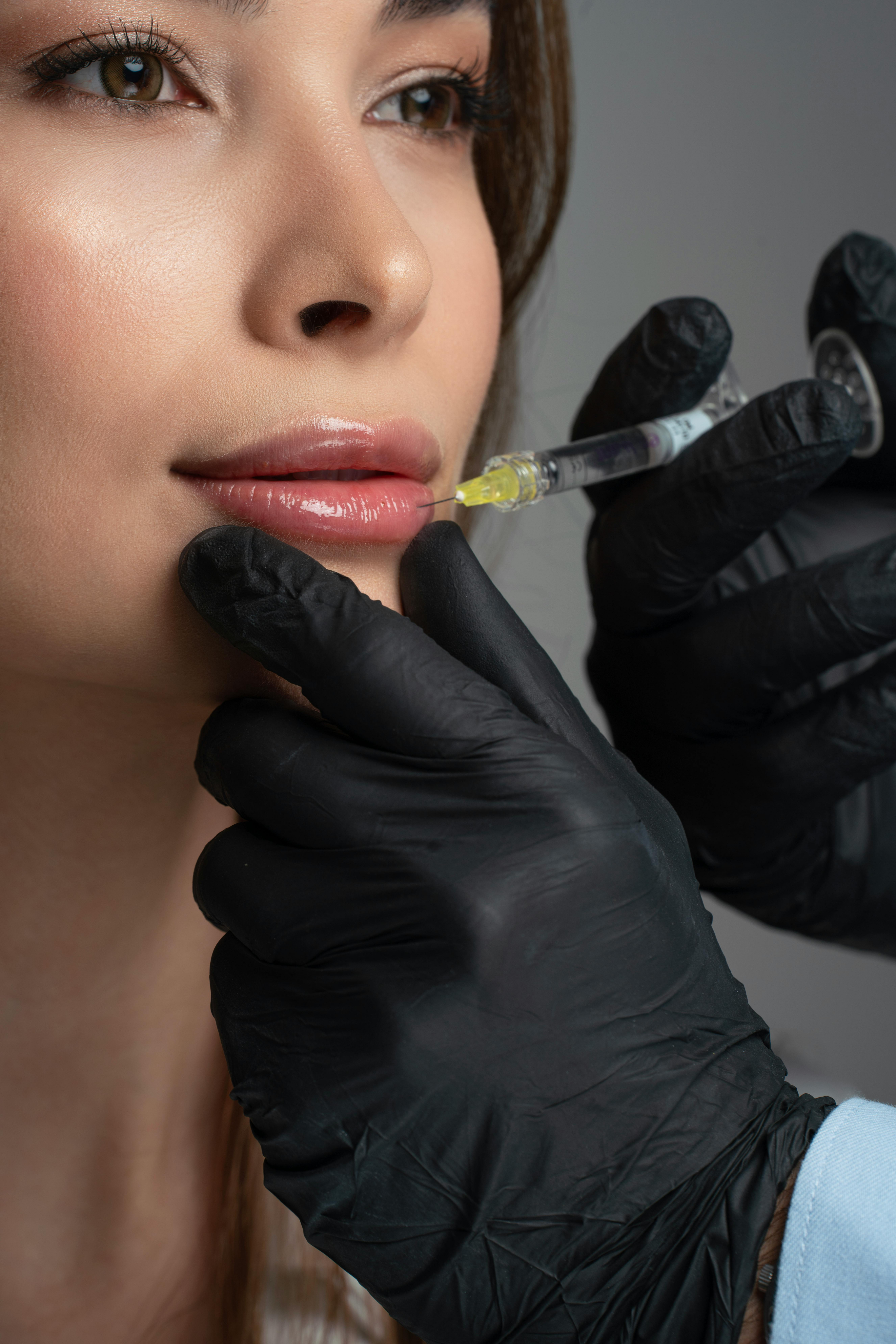
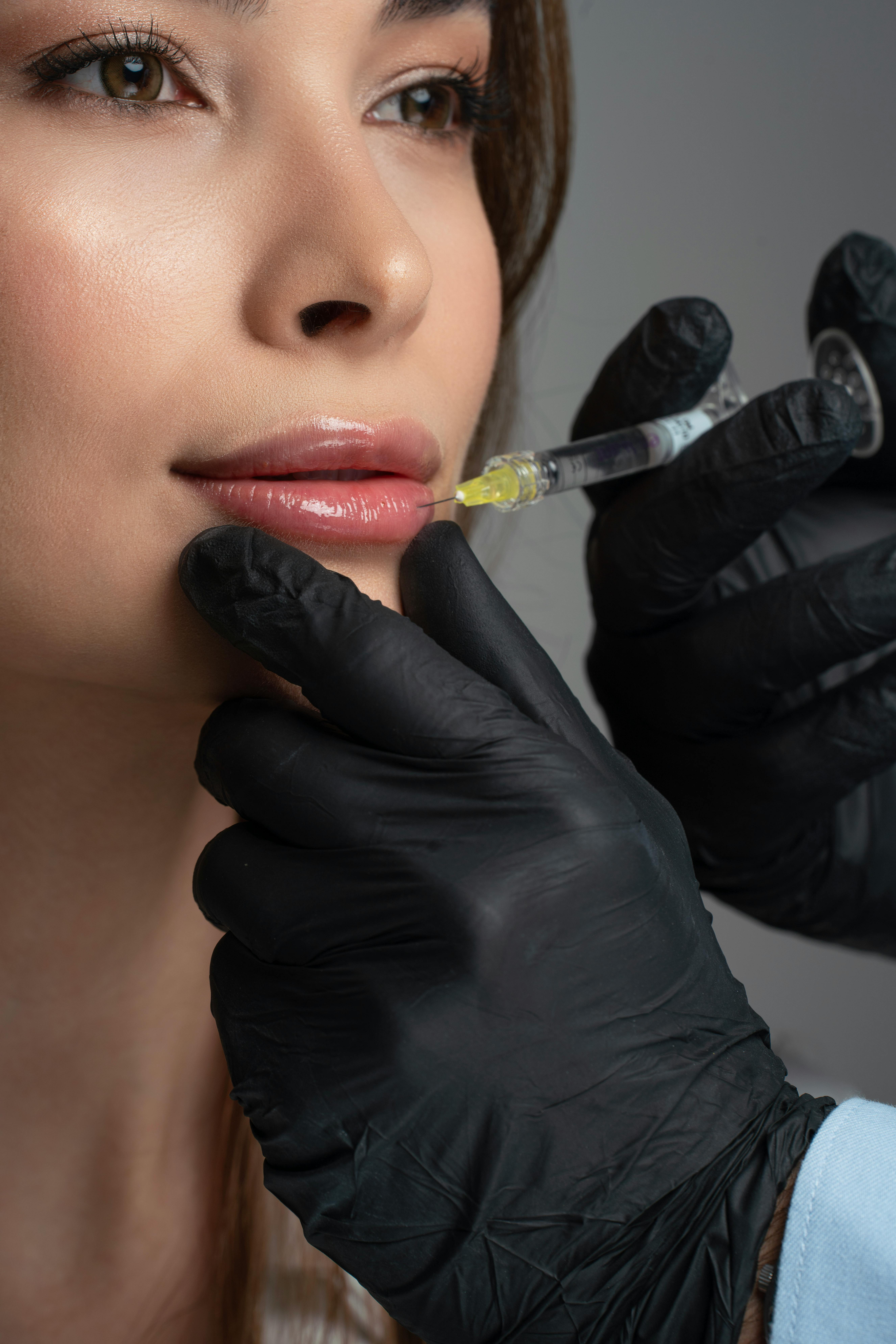
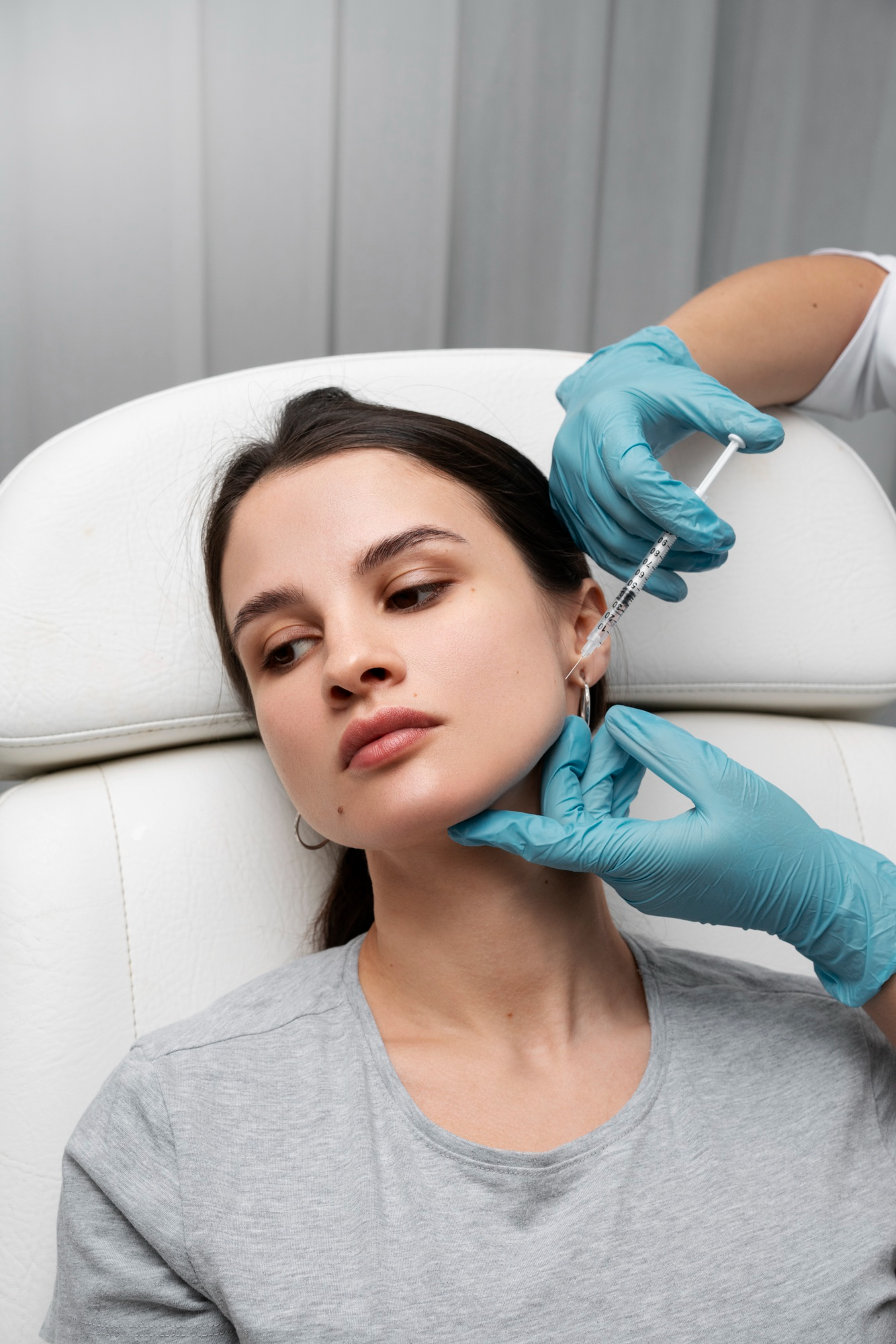
Hyaluronic acid fillers such as Juvederm Voluma, Restylane Lyft, and Restylane Contour replace lost volume in the cheeks, temples, lips, under-eyes, and jawline, restoring youthful contours with immediate, natural-looking results. Different filler viscosities and formulations are strategically selected for each treatment area, with firmer products providing structural lift in the cheeks and jawline and softer gels delivering natural movement in the lips and perioral area. Results typically last six to eighteen months depending on the product and location.
Learn More
Sculptra
A poly-L-lactic acid (PLLA) collagen biostimulator that works differently from traditional fillers by triggering your body's own collagen production over time. Rather than adding volume directly, Sculptra gradually rebuilds your skin's underlying structural framework, producing natural-looking fullness that develops over several months and can last two years or longer. This makes it ideal for patients seeking gradual, broad-area volume restoration that does not look "done."
Learn More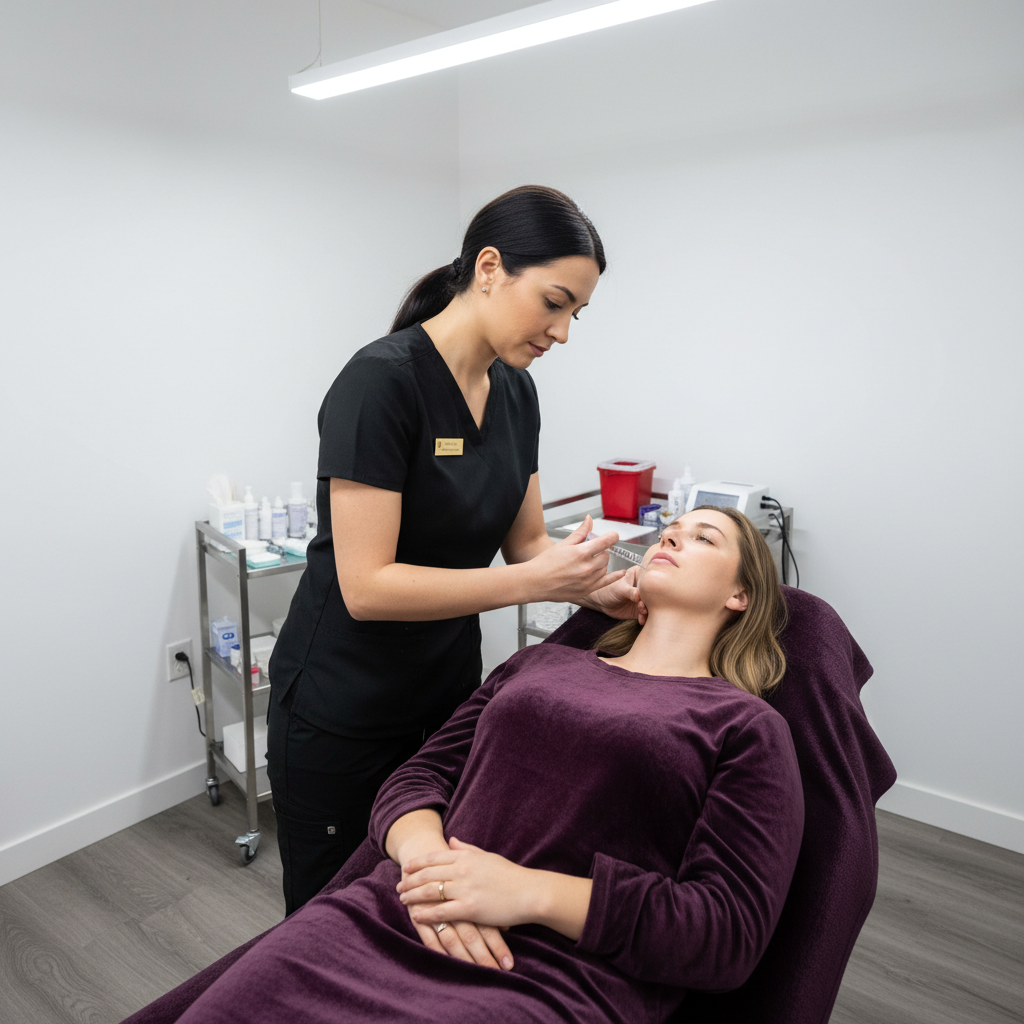
Radiesse
A calcium hydroxylapatite (CaHA) filler that provides immediate volume restoration while simultaneously stimulating long-term collagen production for a dual-action rejuvenating effect. Radiesse is particularly effective for restoring volume and structure to the cheeks, jawline, and hands, with results lasting twelve to eighteen months or longer. The collagen-stimulating properties continue to build volume even as the initial product is naturally metabolized.
Learn MoreFrequently Asked Questions
Common Questions About Volume Loss
What areas can be treated with volume restoration?
Common treatment areas include the cheeks, temples, under-eyes (tear troughs), lips, chin, jawline, nasolabial folds, marionette lines, and even the hands. Our providers perform a comprehensive whole-face assessment to identify all areas of volume depletion and create a prioritized treatment plan that produces the most natural, balanced, and rejuvenating results.
How long do fillers last for volume restoration?
Longevity depends on the area treated and the product used. Cheek fillers typically last twelve to eighteen months, lip fillers six to twelve months, and tear trough fillers twelve to eighteen months or longer. Biostimulatory products like Sculptra can produce results lasting two years or more. Your provider will discuss expected longevity for each product during your consultation.
Will fillers look natural?
When performed by a skilled, experienced injector with thorough anatomical knowledge, fillers produce beautifully subtle, natural-looking results. Our philosophy at BA Med Spa focuses on restoring your natural contours and youthful proportions rather than creating an overdone or artificial appearance. We use a conservative, layered approach that builds results gradually for the most harmonious outcome.
What is the difference between fillers and Sculptra?
Traditional hyaluronic acid fillers provide immediate volume by physically filling the treated area with a gel-like substance, while Sculptra is a biostimulator that gradually triggers your body to produce its own new collagen over weeks and months. Fillers offer instant results and are ideal for precise contouring, while Sculptra provides more gradual, diffuse volume restoration that looks very natural. Many patients benefit from using both approaches in different areas of the face.
Is volume restoration painful?
Most patients experience only mild discomfort during filler injections. We apply topical numbing cream before treatment, and most filler products contain built-in lidocaine for additional comfort during injection. Vibration devices and ice can further minimize sensation. Most patients are pleasantly surprised by how comfortable the procedure is and are able to return to normal activities immediately.
How soon will I see results from volume restoration?
Hyaluronic acid fillers provide immediate results that you can see as soon as the injection is complete, with final results settling over one to two weeks as any mild swelling resolves. Sculptra results develop gradually over two to three months as your body builds new collagen, with most patients completing a series of two to three sessions. Radiesse provides both immediate volume and progressive collagen stimulation for results that continue improving over time.
How It Works
A clear 3 step process to lasting confidence. Let's begin
Consultation & Evaluation
Schedule your complimentary consultation to discover the best treatment plan for you. Our expert team is here to guide you every step of the way.
Customized Program
Meet our team and expect a friendly, detailed process that will meet your aesthetic goals and set you up for the ultimate patient experience.
Follow Up & Support
Walk away feeling beautiful, refreshed, and completely ready to take on the world. Embrace the confidence that comes with it and shine bright!
Start Your Personalized Treatment Plan
Your aesthetic goals deserve thoughtful care. Book a consultation to discover the treatments best suited for your skin, your lifestyle, and your vision.