About This Concern
Understanding Skin Laxity
Skin laxity is caused by the gradual breakdown of collagen and elastin fibers that form the structural scaffolding giving skin its firmness, resilience, and ability to snap back into place. Beginning in the mid-twenties, the body produces less new collagen each year while existing fibers become fragmented and disorganized. Factors like prolonged sun exposure, gravity, smoking, and significant weight fluctuations accelerate the process considerably. Common areas of concern include the jawline, where jowling develops as tissue descends; the neck, which loses definition; the under-eye area, where hollowing creates shadows; and the mid-face, where cheek volume loss causes a flattened, deflated appearance.
At the cellular level, skin laxity involves the degradation of both type I and type III collagen, a reduction in functional elastin fibers, and the weakening of the SMAS (superficial musculoaponeurotic system), the fibrous tissue layer that connects skin to the underlying muscle. As this structural framework weakens, gravity pulls tissue downward, causing the visible drooping and loss of contour that many patients find most aging. Modern aesthetic medicine has developed sophisticated technologies, including focused ultrasound, radiofrequency, and biostimulatory injectables, that can reach these deep structural layers to trigger new collagen synthesis and tissue tightening without a single incision. At BA Med Spa, our team leverages these advanced modalities under physician supervision to provide Tulsa patients with meaningful lifting and firming results that develop naturally over weeks and months.
Understanding the Cause
What Causes Skin Laxity?
Sagging skin is the result of multiple overlapping factors that collectively weaken the structural framework holding skin in place. Understanding these causes helps us target treatments to the specific mechanisms driving your skin laxity for the most effective tightening and lifting results.
Natural aging reduces collagen production by approximately one percent per year starting in the mid-twenties, with a dramatic acceleration during menopause when women can lose up to 30% of their collagen in the first five years.
Chronic UV exposure breaks down collagen and elastin fibers through a process called solar elastosis, where the supporting dermal matrix becomes disorganized and weakened, unable to maintain skin tension.
Gravity exerts a constant downward pull on facial and body tissues, and as structural proteins weaken, the skin and underlying fat gradually descend from their youthful positions.
Significant weight fluctuations stretch the skin beyond its elastic capacity, and when volume is lost quickly, the skin may not retract fully, leaving behind excess laxity.
Genetic factors determine your baseline collagen density, elastin quality, and the rate at which these structures degrade, explaining why some individuals age more visibly than others.
Smoking accelerates collagen destruction and impairs new collagen synthesis by constricting blood vessels and introducing free radicals that damage the structural matrix of the skin.
Hormonal decline, particularly the drop in estrogen during perimenopause and menopause, directly impacts collagen synthesis, skin thickness, and moisture retention, accelerating visible laxity.
Our Approach
Our Approach to Skin Tightening & Lifting
Recommended Treatments
Treatments for Sagging Skin
Our expert providers recommend the following treatments for sagging skin. Each plan is customized to your unique skin and goals.
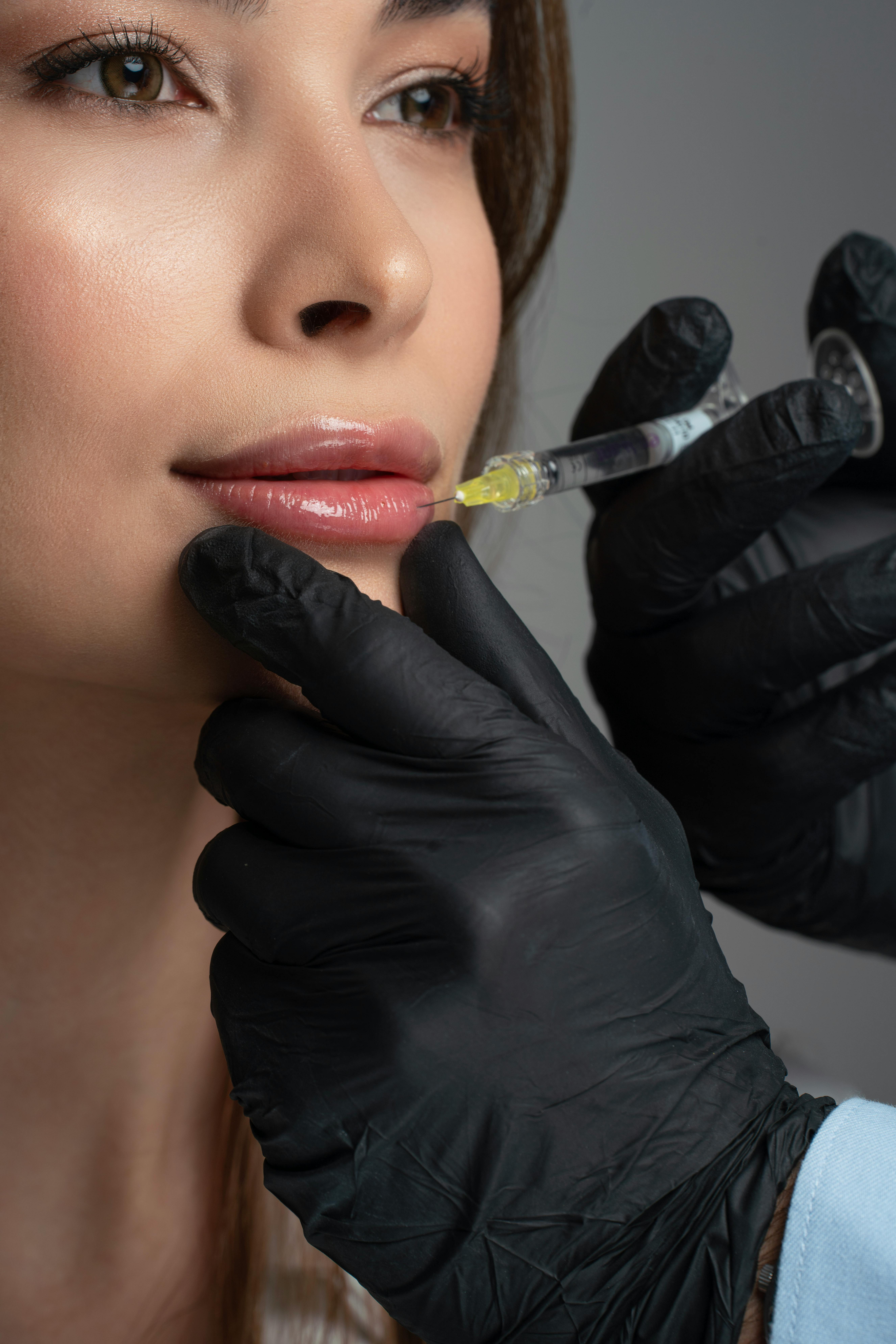
Dermal Fillers
Strategically placed hyaluronic acid fillers restore volume to key structural areas of the face, creating a natural lifting effect that combats sagging without surgery. By replenishing lost volume in the cheeks, temples, and jawline, fillers provide immediate scaffolding that supports overlying skin and reduces the appearance of jowling and nasolabial folds. Results are visible immediately and last twelve to eighteen months depending on the product and placement.
Learn More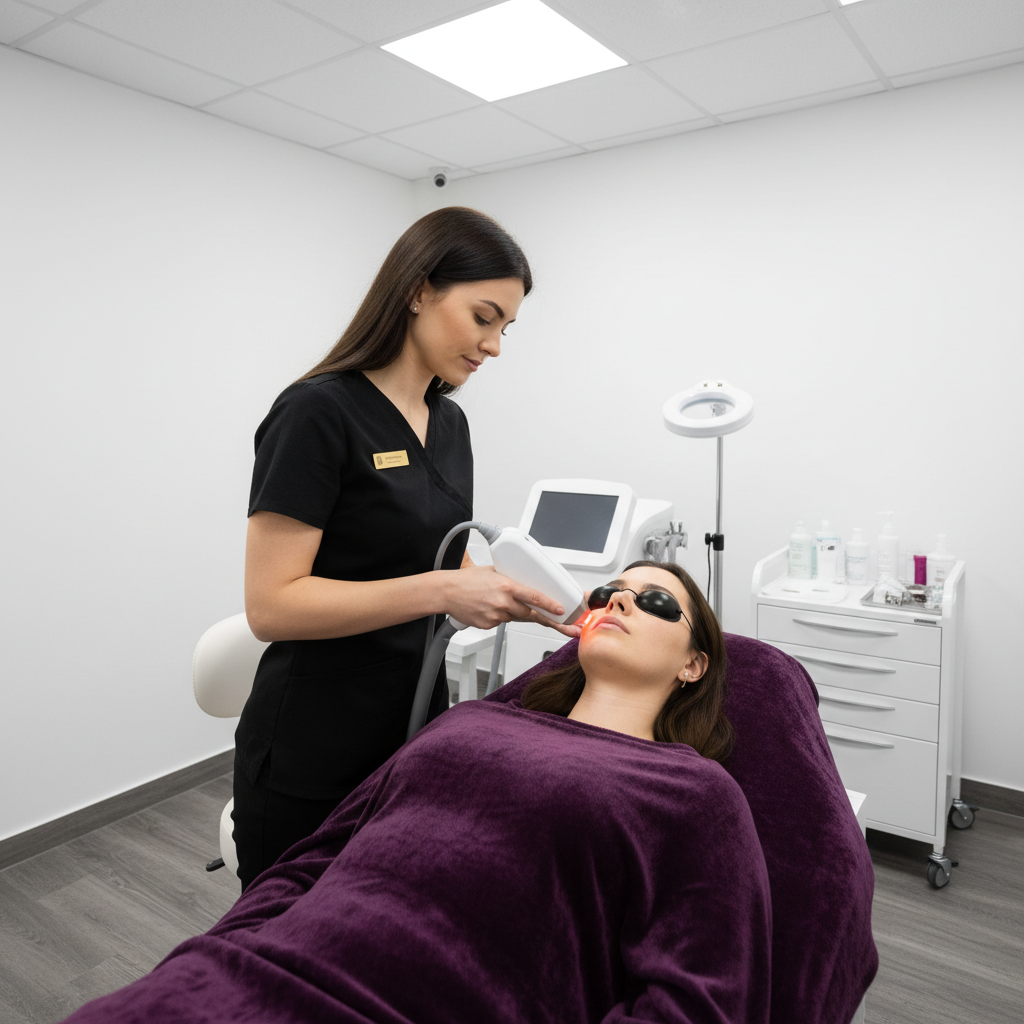
CO2 Laser Resurfacing
Fractional CO2 laser energy penetrates deep into the dermis to create controlled thermal zones that stimulate robust collagen remodeling, resulting in firmer, tighter skin over several months. The fractional delivery pattern leaves healthy skin between treatment zones, accelerating healing while maximizing collagen stimulation. This treatment is particularly effective for neck and decolletage tightening where skin is thin and responsive to thermal stimulation.
Learn More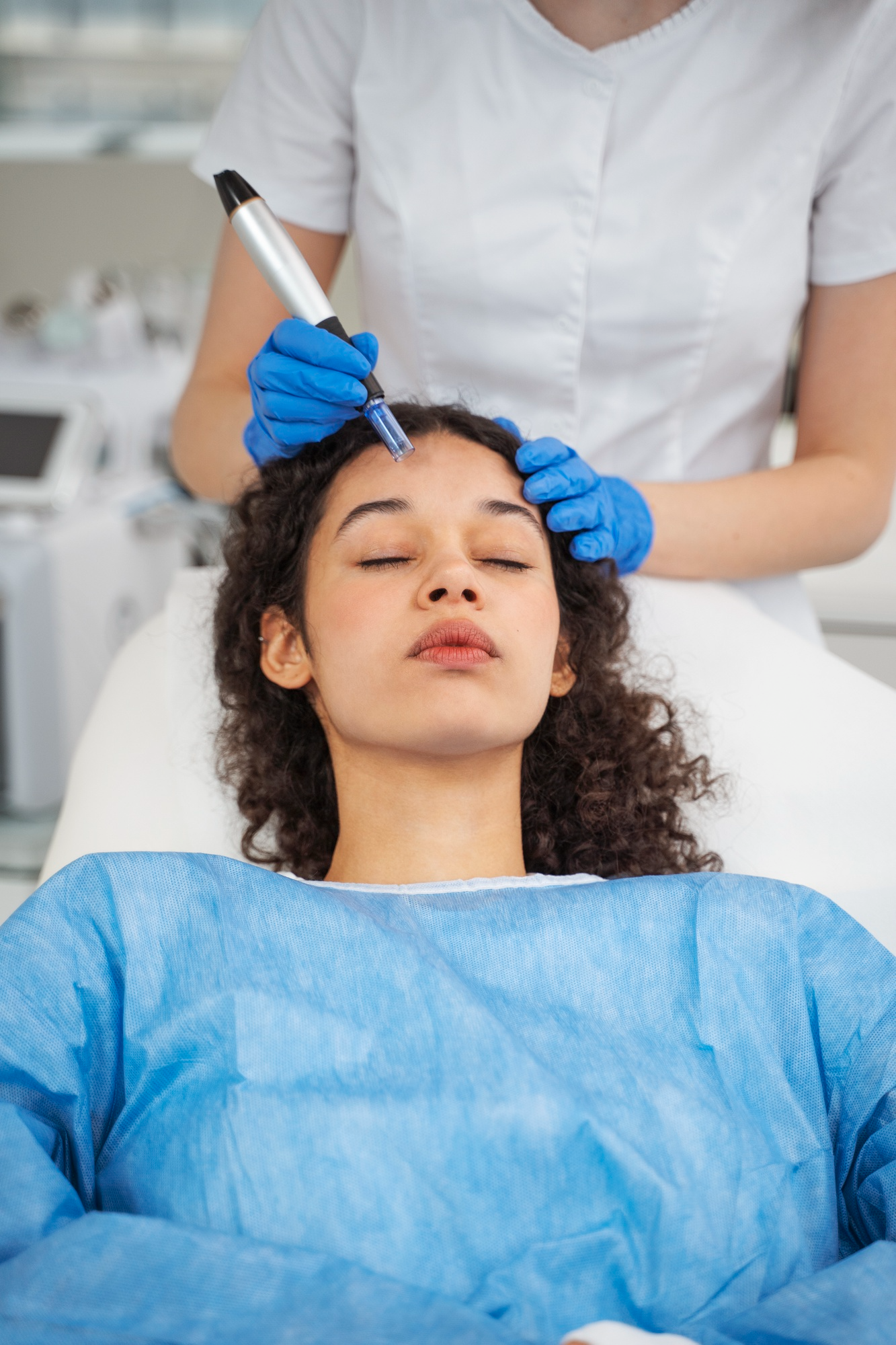
Microneedling
Controlled micro-injuries trigger the skin's wound-healing cascade, boosting production of both collagen and elastin to gradually improve skin firmness, tone, and resilience. When performed as a series of treatments, microneedling produces cumulative tightening that strengthens the dermal matrix over time. The addition of growth factor serums or PRP (platelet-rich plasma) further enhances the regenerative response.
Learn More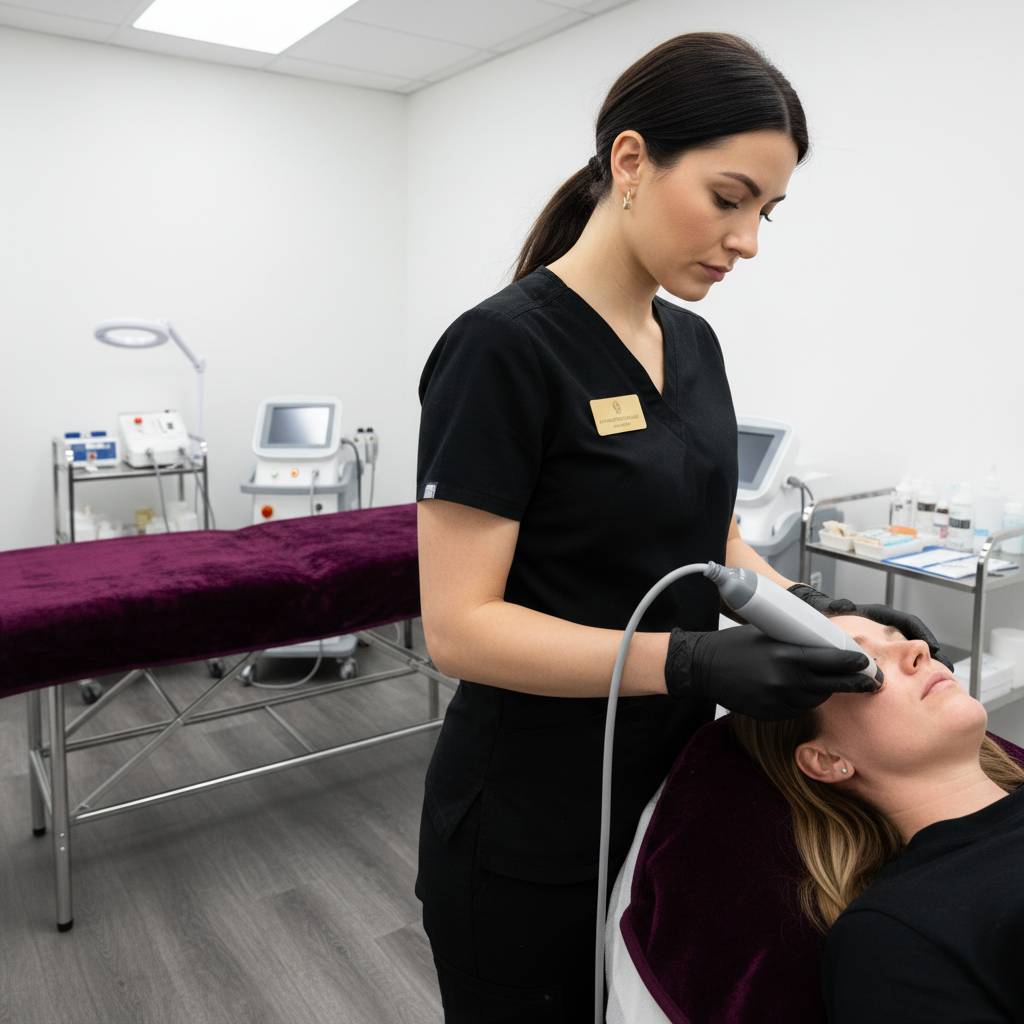
Morpheus8
Radiofrequency microneedling delivers bipolar RF energy through insulated microneedles deep into the skin and subdermal tissue at customizable depths up to 4mm, providing significant skin tightening, contouring, and collagen remodeling. This technology uniquely addresses both superficial skin texture and deep structural laxity in a single treatment session. Results develop progressively over three to six months as new collagen matures and contracts.
Learn More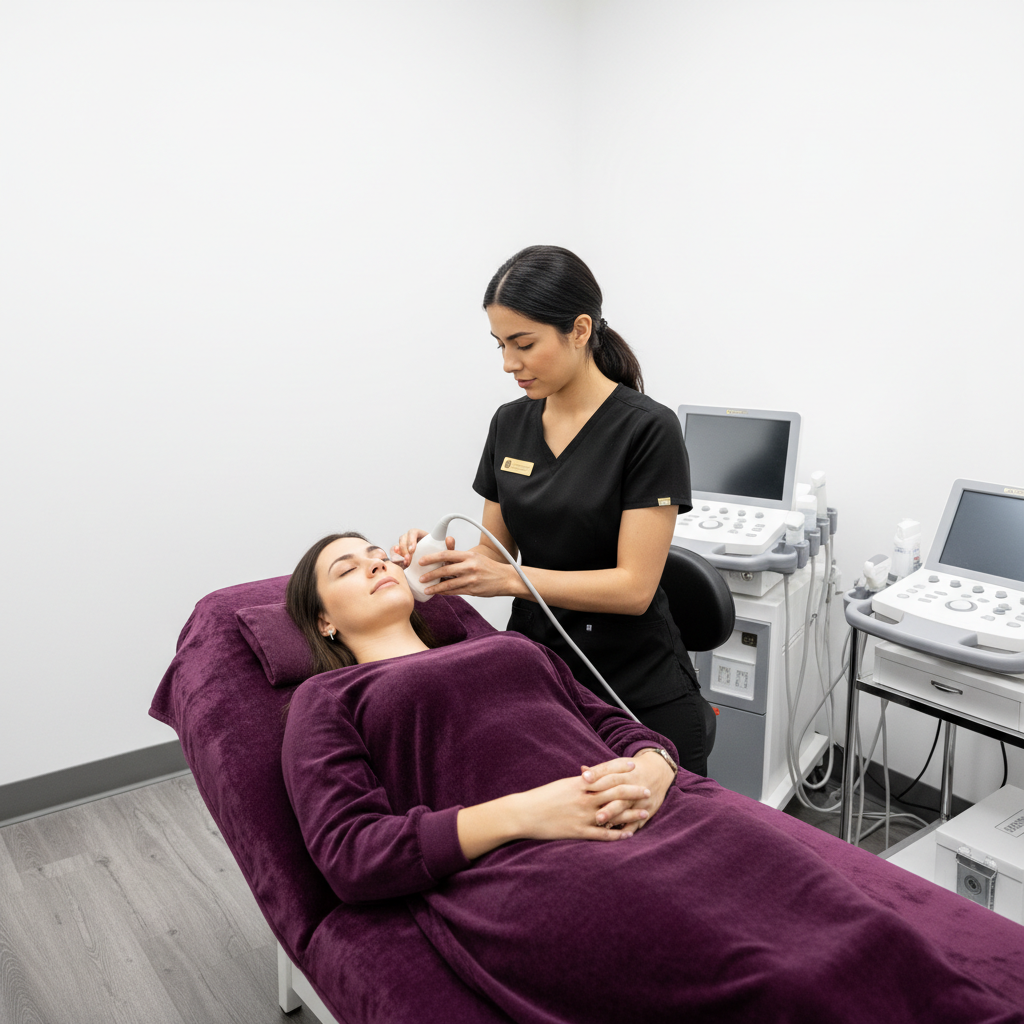
Ultherapy
The only FDA-cleared non-invasive treatment for lifting skin on the brow, chin, neck, and decolletage using micro-focused ultrasound energy that reaches the SMAS layer, the same deep tissue layer addressed in a surgical facelift. Ultherapy bypasses the skin surface entirely, delivering precise energy to trigger new collagen production at depth. Results appear gradually over two to three months with a single session, and optimal outcomes can last twelve months or longer.
Learn MoreFrequently Asked Questions
Common Questions About Sagging Skin
Can sagging skin be treated without surgery?
Yes. Non-surgical options like Ultherapy, Morpheus8, dermal fillers, and laser treatments can significantly improve skin laxity by stimulating collagen production and providing structural volume support. While results differ from a surgical facelift, many patients achieve the refreshed, lifted look they desire without the risks, scarring, and extended downtime of surgery. Our team will assess your specific degree of laxity and recommend the most effective non-surgical approach.
How many treatments are needed for skin tightening?
The number of treatments depends on the modality and your degree of laxity. Ultherapy typically requires a single session with results building over three months. Morpheus8 and microneedling protocols usually involve three to six sessions spaced four to six weeks apart. You will notice gradual improvement as new collagen develops over several months following each treatment, with maintenance sessions recommended to sustain results.
At what age does skin start to sag?
Collagen production begins declining in the mid-twenties, but noticeable skin laxity typically appears in the forties and fifties. During menopause, women experience an accelerated loss of collagen that can cause rapid changes in skin firmness. Genetics, sun exposure, smoking, and lifestyle habits all influence the timeline significantly. Preventive treatments in the thirties and early forties can help slow the process.
What is the most effective non-surgical skin tightening treatment?
The most effective option depends on your specific concerns. Ultherapy provides the deepest penetration and is ideal for brow, neck, and chin lifting. Morpheus8 offers versatile tightening at multiple depths and is excellent for jawline contouring and overall facial tightening. Combining multiple modalities often produces the most dramatic results. During your consultation, Dr. Campbell's team will recommend the best approach for your individual anatomy and goals.
How long do skin tightening results last?
Results from collagen-stimulating treatments can last one to two years or longer, depending on the modality, your age, and your skin's baseline condition. However, the natural aging process continues, so maintenance treatments every twelve to eighteen months are recommended to preserve your results. Consistent sun protection and a medical-grade skincare routine also help extend the longevity of your improvements.
Is there any downtime with non-surgical skin tightening?
Downtime varies by treatment. Ultherapy has no significant downtime, with most patients returning to normal activities immediately. Morpheus8 involves two to four days of redness and mild swelling. Microneedling requires one to two days of redness similar to a mild sunburn. Dermal filler injections may cause slight swelling or bruising for a day or two. Our team provides detailed aftercare instructions to minimize recovery time and optimize your results.
How It Works
A clear 3 step process to lasting confidence. Let's begin
Consultation & Evaluation
Schedule your complimentary consultation to discover the best treatment plan for you. Our expert team is here to guide you every step of the way.
Customized Program
Meet our team and expect a friendly, detailed process that will meet your aesthetic goals and set you up for the ultimate patient experience.
Follow Up & Support
Walk away feeling beautiful, refreshed, and completely ready to take on the world. Embrace the confidence that comes with it and shine bright!

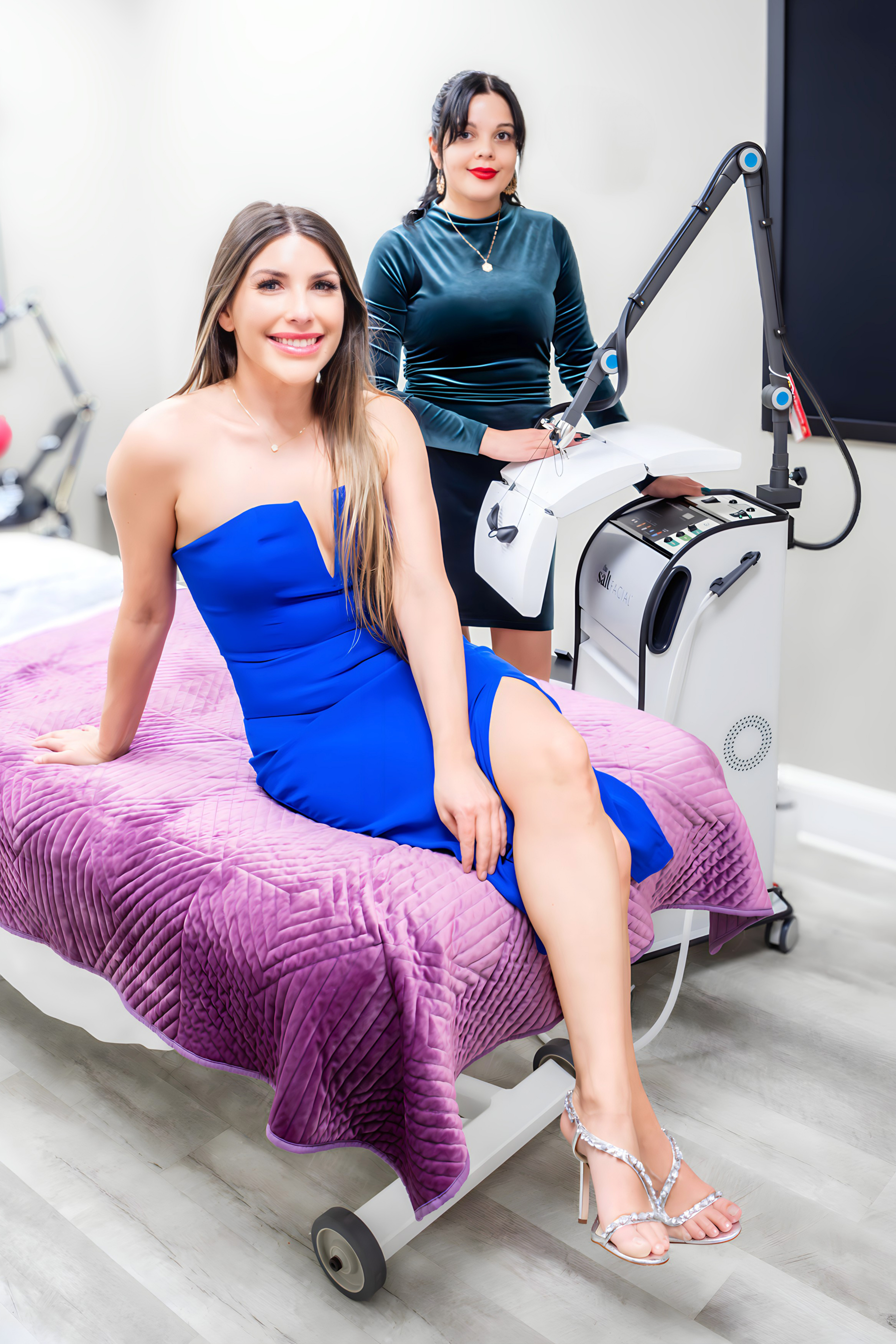
Start Your Personalized Treatment Plan
Your aesthetic goals deserve thoughtful care. Book a consultation to discover the treatments best suited for your skin, your lifestyle, and your vision.