About This Concern
Understanding Scarring
Scars form when the skin repairs itself after damage from acne, surgery, burns, or traumatic injury. During the healing process, the body produces collagen rapidly to close the wound, but this repair collagen is laid down in a different pattern than the organized collagen matrix of undamaged skin. The result is tissue that may be raised (hypertrophic or keloid), depressed (atrophic), discolored, or texturally different from the surrounding skin. The type, depth, and location of the scar, along with individual factors like skin type and genetics, all influence how the scar ultimately looks and which treatment approach will be most effective.
At the molecular level, normal skin contains a balanced ratio of type I to type III collagen arranged in a basket-weave pattern that provides both strength and flexibility. Scar tissue, by contrast, contains predominantly type I collagen fibers aligned in parallel bundles, creating tissue that is stiffer, less elastic, and often visually distinct from surrounding skin. Atrophic scars, like those left by acne, occur when insufficient collagen is produced during healing, leaving depressions in the skin surface. Hypertrophic scars and keloids result from excessive collagen production that extends beyond the original wound boundary. Modern scar revision technologies work by breaking down this disorganized scar collagen and triggering a new, more controlled healing response that produces better-organized tissue. At BA Med Spa, our clinical team uses a combination of collagen induction therapy, fractional laser resurfacing, and targeted chemical peels to progressively remodel scar tissue toward a smoother, more natural appearance.
Understanding the Cause
What Causes Scarring?
Scarring is the body's natural response to skin injury, but several factors determine how severe a scar becomes and how well it heals over time. Understanding these factors helps our team design the most effective scar revision strategy for your specific situation.
Inflammatory acne, particularly cystic and nodular breakouts, destroys dermal collagen during the infection and healing process, leading to atrophic scars that persist long after the acne has resolved.
Surgical incisions, even when closed carefully, leave scars whose final appearance depends on tension, blood supply, and individual healing characteristics.
Burns and thermal injuries damage multiple layers of skin simultaneously, often producing raised, contractile scars that can restrict movement if they cross joints.
Traumatic injuries such as cuts, abrasions, and lacerations create irregular wounds that may heal with uneven, noticeable scarring, especially if the wound edges were not well-aligned during initial healing.
Genetic predisposition plays a significant role, as some individuals are prone to keloid formation or hypertrophic scarring regardless of how well a wound is cared for.
Improper wound care, including picking at scabs, insufficient moisture, or early sun exposure to healing skin, can worsen the final appearance of a scar.
Skin tension and movement in the area of the wound pull healing tissue apart, resulting in wider or more prominent scars, particularly on the chest, shoulders, and back.
Our Approach
Our Approach to Scar Revision
Recommended Treatments
Treatments for Scarring
Our expert providers recommend the following treatments for scarring. Each plan is customized to your unique skin and goals.
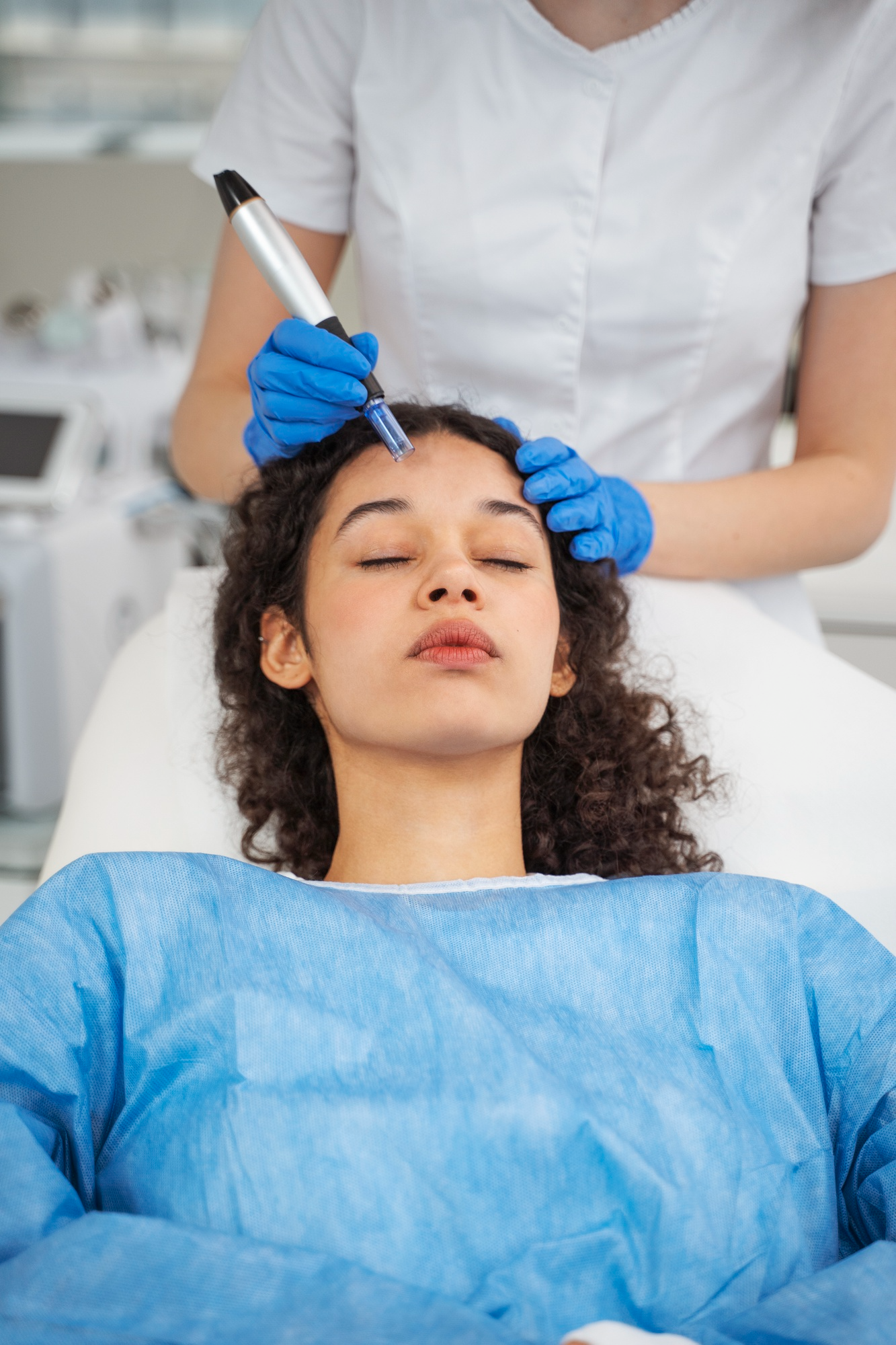
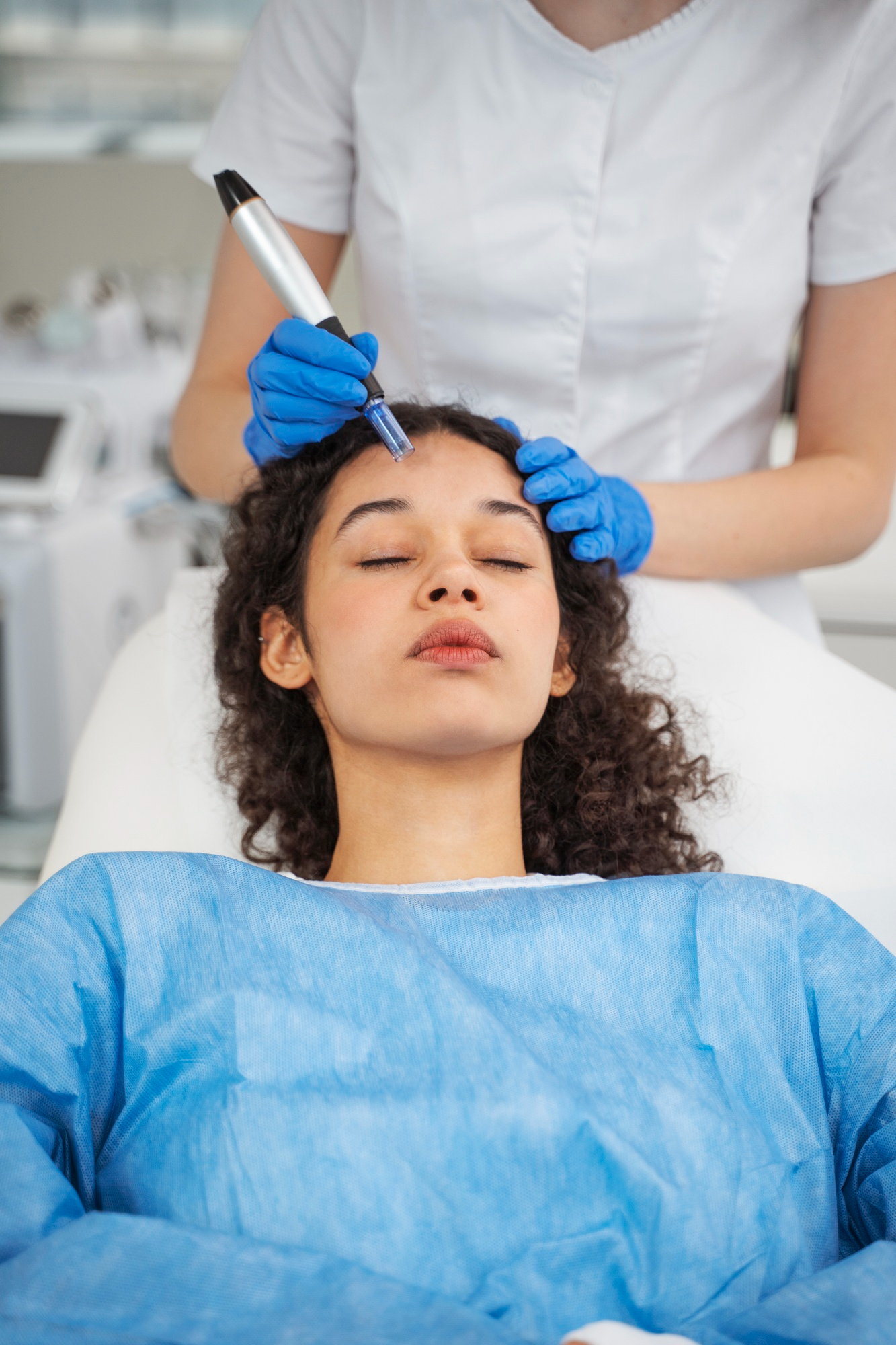
Microneedling
Creates thousands of controlled micro-injuries using fine, sterile needles that trigger the body's natural wound-healing response, producing new collagen and elastin to fill and smooth depressed scar tissue. Microneedling is particularly effective for acne scars, surgical scars, and stretch marks, with results improving progressively over a series of treatments. The addition of growth factor serums or PRP during treatment enhances the regenerative response for faster, more dramatic scar improvement.
Learn More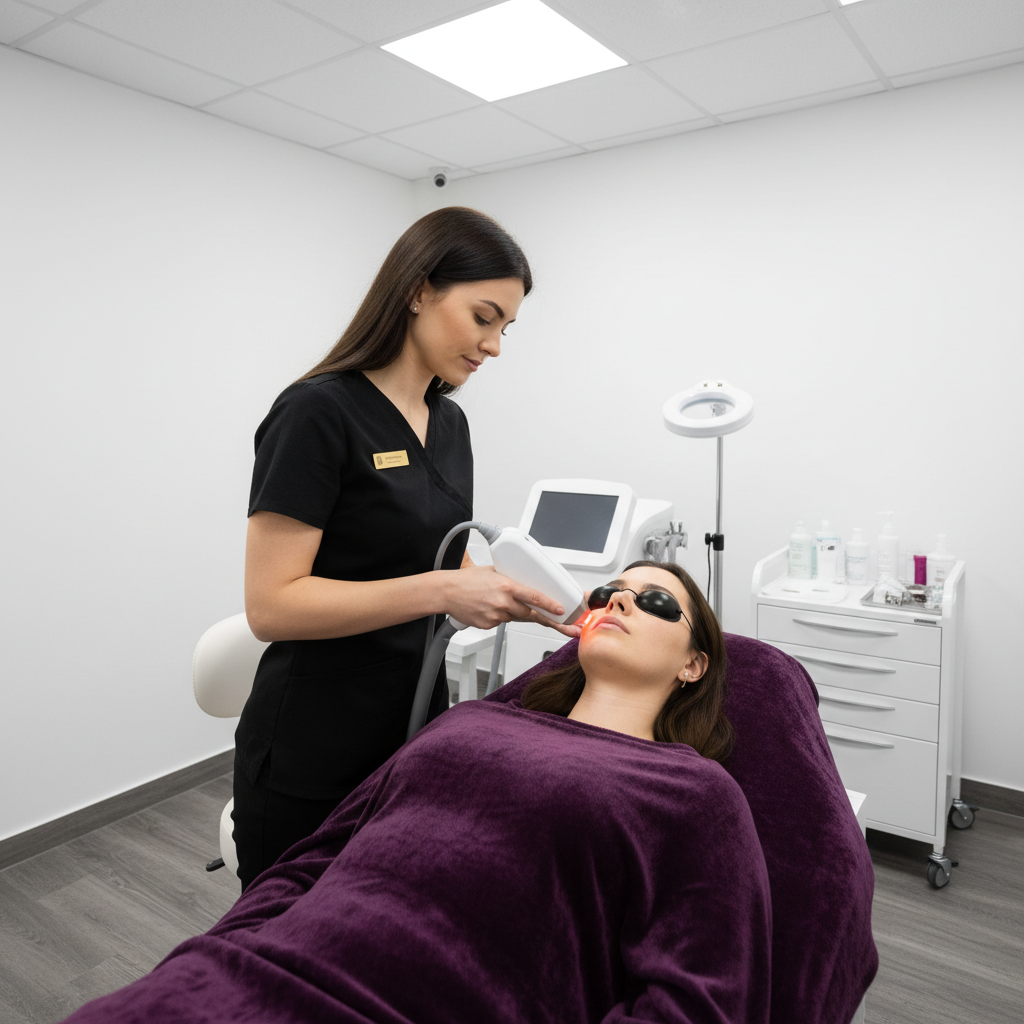
CO2 Laser Resurfacing
Fractional CO2 laser technology delivers precise columns of laser energy into scar tissue while leaving surrounding healthy skin intact, promoting faster healing and more efficient collagen remodeling. This treatment is highly effective for both acne scars and traumatic or surgical scars, reaching deeper into the dermis than most other non-surgical options. Results develop over several months as the treated tissue remodels and new collagen matures into a smoother, more organized structure.
Learn More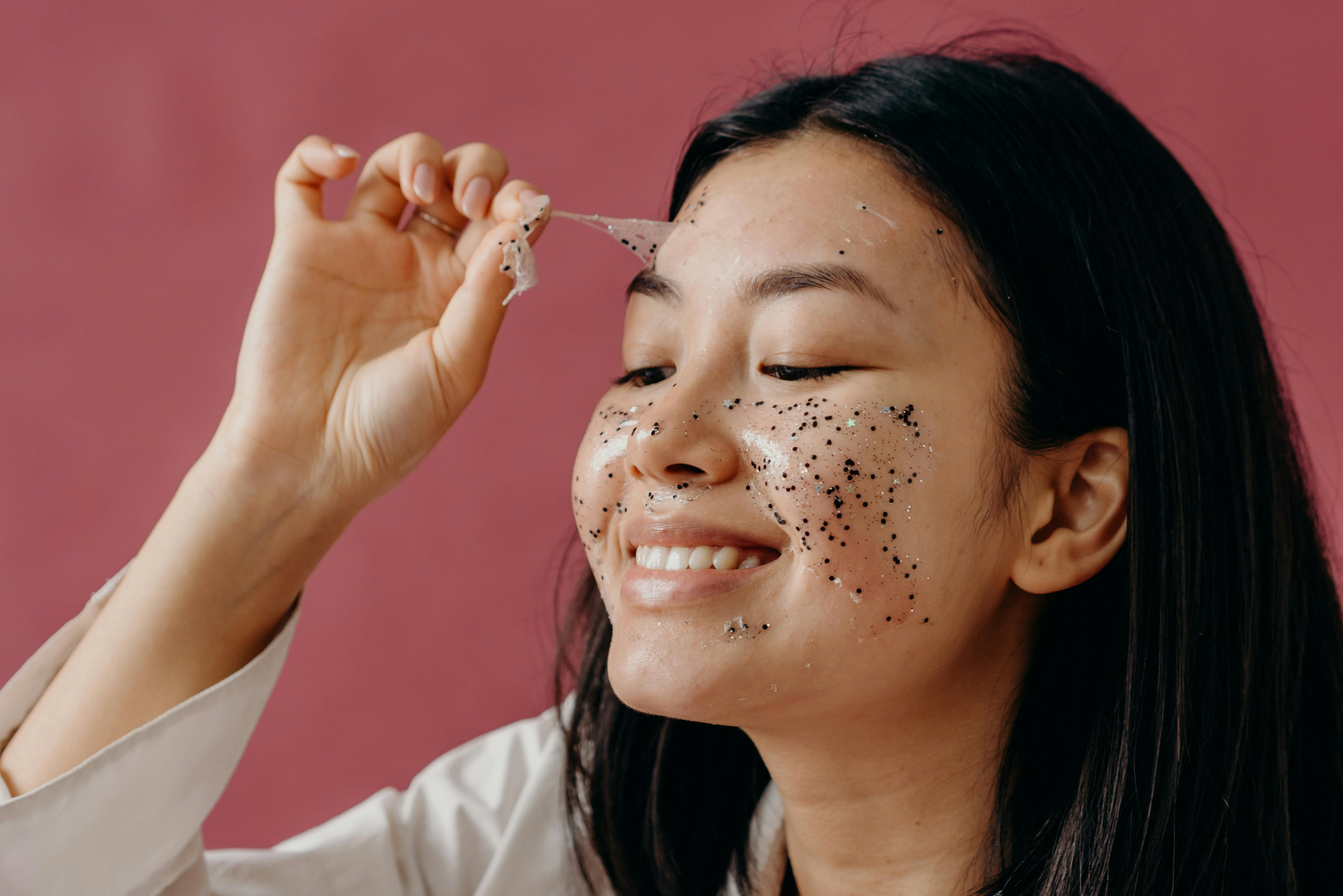
Chemical Peels
Medical-grade chemical peels accelerate cell turnover and remove damaged surface layers to reduce the appearance of superficial scars, improve skin texture, and fade scar-related discoloration. TCA (trichloroacetic acid) peels can also be applied directly to individual ice pick scars using the CROSS technique for targeted deep remodeling. A series of peels complements microneedling and laser treatments by refining the skin surface and evening out tone.
Learn MoreFrequently Asked Questions
Common Questions About Scarring
Can old scars be treated?
Yes. Even scars that are years or decades old can be significantly improved with treatments like microneedling, fractional CO2 laser resurfacing, and chemical peels. The age of a scar does not prevent it from responding to collagen-remodeling therapies. While complete removal is rarely possible, most patients see meaningful improvement in texture, depth, color, and overall visibility after a series of professional treatments.
Which treatment is best for acne scars?
The best approach depends on the type of acne scarring you have. Rolling and boxcar scars typically respond well to microneedling and Morpheus8 RF microneedling, which stimulate collagen production to fill and smooth depressions. Deep ice pick scars may benefit from TCA CROSS chemical peels or fractional CO2 laser. Your provider will assess the type and depth of your scars during your consultation and recommend the most effective combination approach.
How many sessions are needed to improve scars?
Most scar treatment plans involve three to six sessions spaced four to six weeks apart to allow proper healing between treatments. Deeper or more complex scars may require additional sessions for optimal improvement. Results are cumulative, meaning each session builds upon the previous one as new collagen continues to develop and remodel the scar tissue.
Is scar treatment painful?
We apply topical numbing cream before all scar treatments to minimize discomfort. Most patients describe microneedling as a mild prickling sensation, while laser treatments may produce brief warmth or heat. Any discomfort during the procedure is temporary and well-tolerated by the vast majority of patients. Our team will ensure your comfort throughout the process and can adjust settings as needed.
Can stretch marks be treated?
Yes. Stretch marks respond well to microneedling and fractional laser treatments, which stimulate collagen production in the stretched, thinned dermal tissue. Newer, red or purple stretch marks typically respond more quickly than older, white or silver stretch marks, but improvement is possible for both. A series of treatments is usually needed for visible improvement in texture, color, and overall appearance.
What is the downtime after scar treatments?
Recovery varies by treatment type and intensity. Microneedling typically involves one to two days of redness and mild sensitivity. Fractional CO2 laser resurfacing may require five to seven days of healing with redness, swelling, and peeling. Chemical peels range from no downtime for light peels to several days of peeling for medium-depth treatments. Our team provides detailed aftercare instructions to optimize healing and maximize results.
Will insurance cover scar treatment?
Most cosmetic scar treatments are not covered by insurance as they are considered elective procedures. However, we offer competitive pricing and payment plans to make scar revision accessible. During your consultation, we will provide a transparent cost estimate based on your personalized treatment plan so there are no surprises.
How It Works
A clear 3 step process to lasting confidence. Let's begin
Consultation & Evaluation
Schedule your complimentary consultation to discover the best treatment plan for you. Our expert team is here to guide you every step of the way.
Customized Program
Meet our team and expect a friendly, detailed process that will meet your aesthetic goals and set you up for the ultimate patient experience.
Follow Up & Support
Walk away feeling beautiful, refreshed, and completely ready to take on the world. Embrace the confidence that comes with it and shine bright!
Start Your Personalized Treatment Plan
Your aesthetic goals deserve thoughtful care. Book a consultation to discover the treatments best suited for your skin, your lifestyle, and your vision.