About This Concern
Understanding Dark Circles
Dark circles under the eyes are among the most common cosmetic complaints and have multiple contributing causes, including genetics, aging-related volume loss, thin translucent skin, hyperpigmentation, and vascular congestion. As we age, the under-eye area progressively loses the subcutaneous fat pad and collagen that once provided a smooth, youthful cushion, creating hollows known as tear troughs that cast shadows giving the appearance of darkness. The skin itself becomes thinner and more translucent with age, making underlying blood vessels and the dark orbicularis oculi muscle more visible. Our providers at BA Med Spa carefully evaluate the specific cause or combination of causes behind your dark circles to recommend the most effective treatment strategy.
The periorbital region presents unique anatomical challenges that require specialized expertise. The skin around the eyes is approximately 0.5mm thick, roughly one-fourth the thickness of skin elsewhere on the face, and contains fewer oil glands and collagen fibers, making it especially susceptible to dehydration, wrinkling, and translucency. The superficial vasculature beneath this thin skin can become dilated or congested, particularly with allergies, lack of sleep, or fluid retention, creating a blue-purple discoloration. True hyperpigmentation from excess melanin deposits adds brown or dark tones that differ from vascular darkness. Fat pad herniation (under-eye bags) can further compound the issue by creating shadows and an uneven contour. Dr. James R. Campbell, D.O., and our experienced team use detailed assessment to distinguish between these various causes, ensuring that each patient receives the precise treatment their individual anatomy requires for natural, beautiful results.
Understanding the Cause
What Causes Dark Circles?
Dark circles are rarely caused by a single factor. Most patients present with a combination of structural, vascular, and pigmentary changes that work together to create the appearance of under-eye darkness. Identifying your specific contributing factors allows us to target treatment precisely.
Aging-related volume loss depletes the fat pad and collagen beneath the under-eye skin, creating hollow tear troughs that cast shadows and make the area appear dark even without true pigmentation.
Genetics strongly influence under-eye appearance, determining skin thickness, vascularity, melanin production, and fat distribution in the periorbital area, which is why dark circles often run in families.
Chronic sun exposure stimulates melanin production in the delicate under-eye skin and accelerates collagen breakdown, contributing to both pigmentary and structural dark circles over time.
Allergies and sinus congestion cause vascular dilation and blood pooling beneath the under-eye skin, creating the classic "allergic shiner" appearance that worsens during Oklahoma's allergy seasons.
Sleep deprivation and fatigue cause the skin to appear paler, increasing the contrast with the underlying dark vasculature, while also promoting fluid retention that contributes to puffiness and shadows.
Iron deficiency and other nutritional deficiencies can contribute to periorbital darkness by affecting blood oxygenation and skin health, making under-eye circles more prominent.
Our Approach
Our Approach to Treating Dark Circles
Recommended Treatments
Treatments for Dark Circles
Our expert providers recommend the following treatments for dark circles. Each plan is customized to your unique skin and goals.
Dermal Fillers
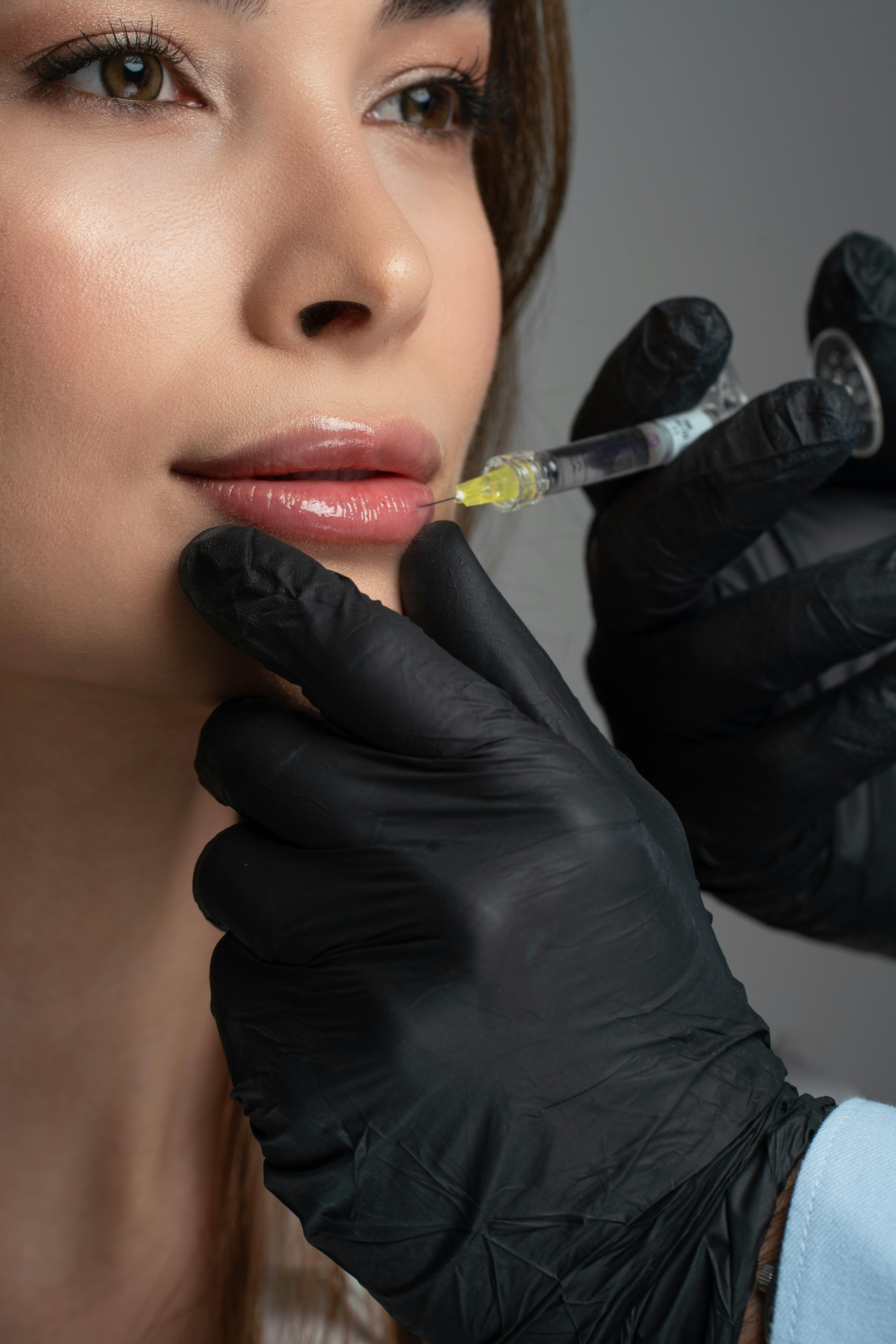
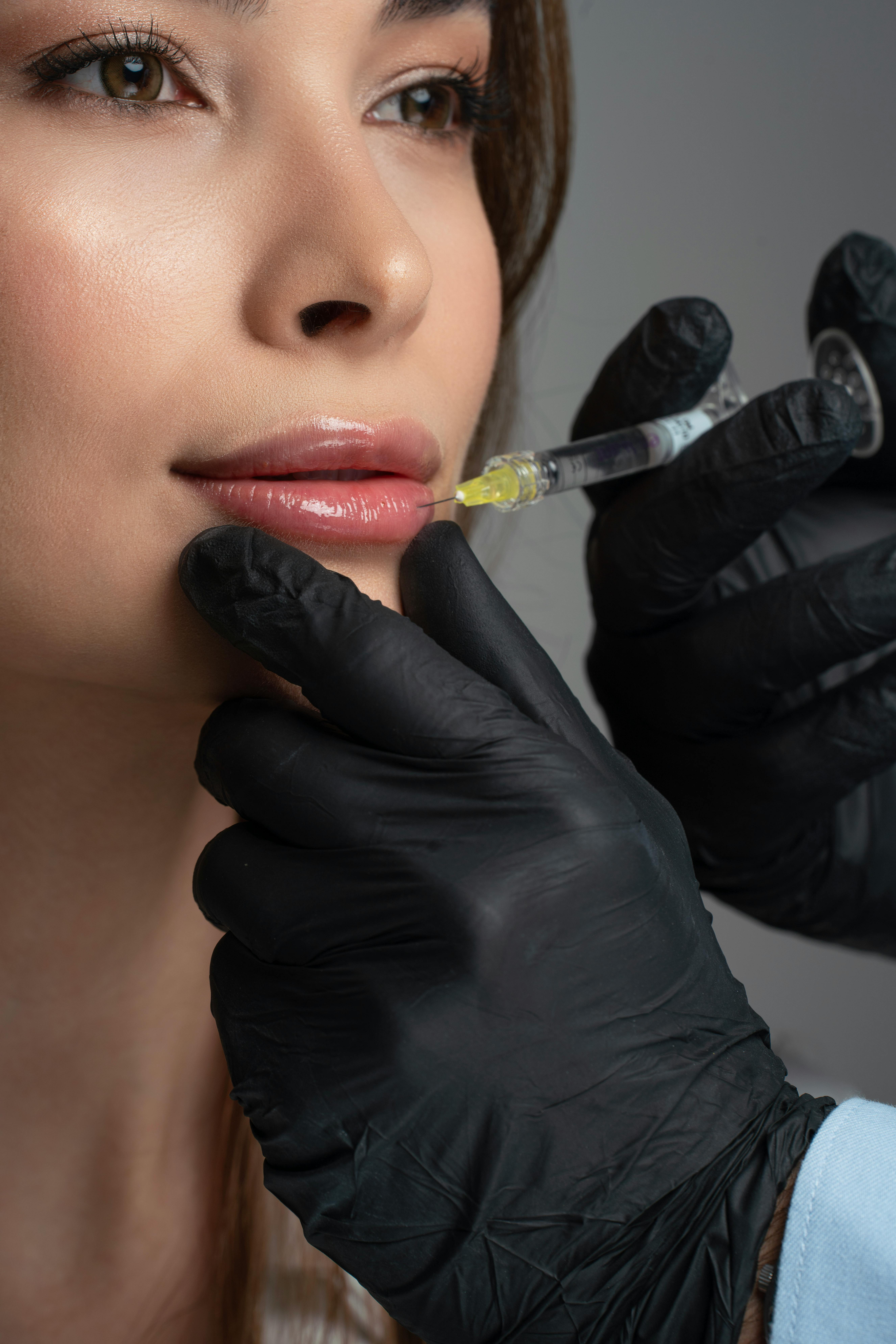
Tear trough filler carefully restores the volume cushion beneath the under-eye skin, filling hollow depressions that cast shadows and create the appearance of dark circles. Using specialized soft, cohesive hyaluronic acid products placed with precise cannula or needle technique, our providers smooth the tear trough-to-cheek transition for an immediately refreshed, rested appearance. Results typically last twelve to eighteen months, often longer in this area of minimal movement.
Learn More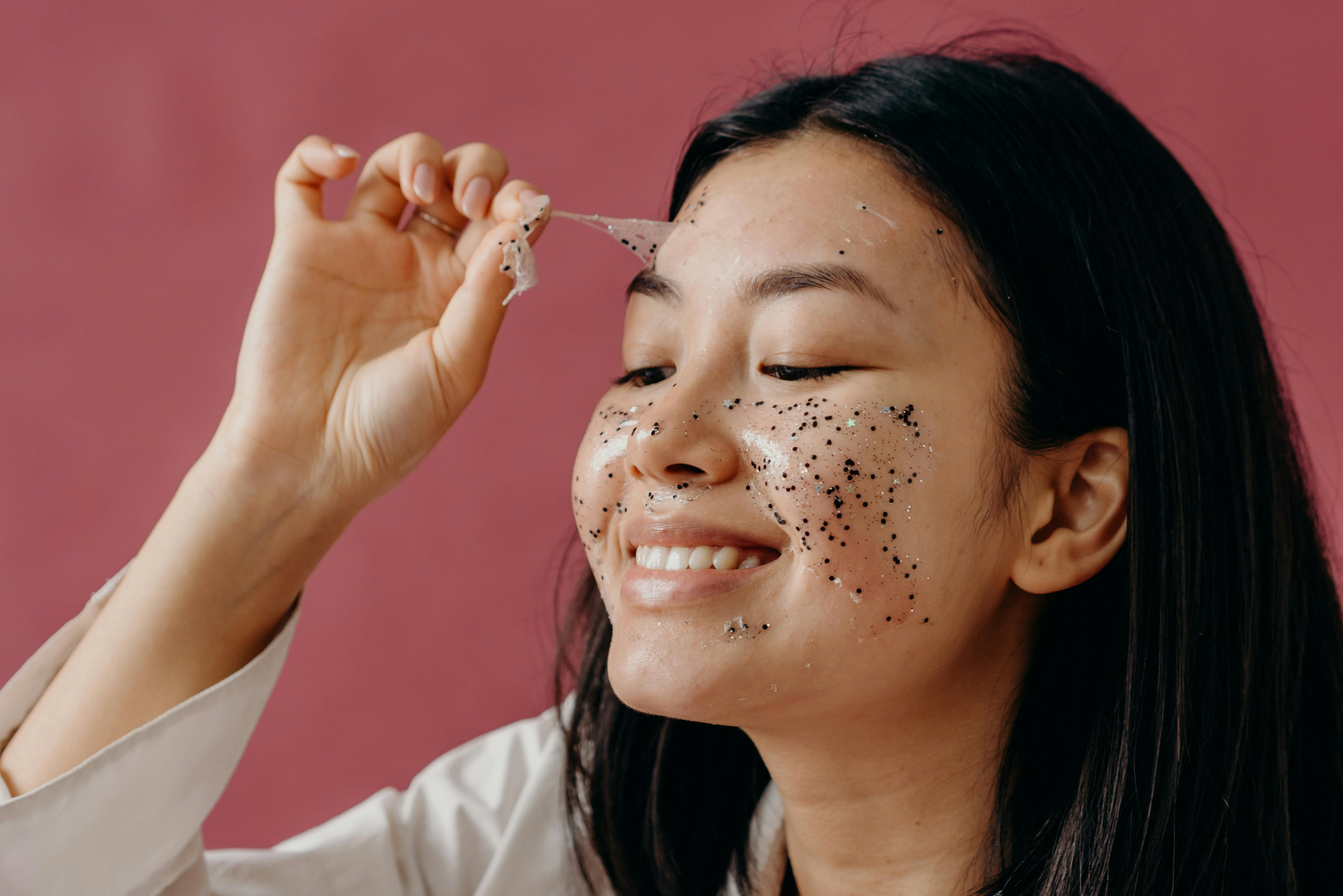
Chemical Peels
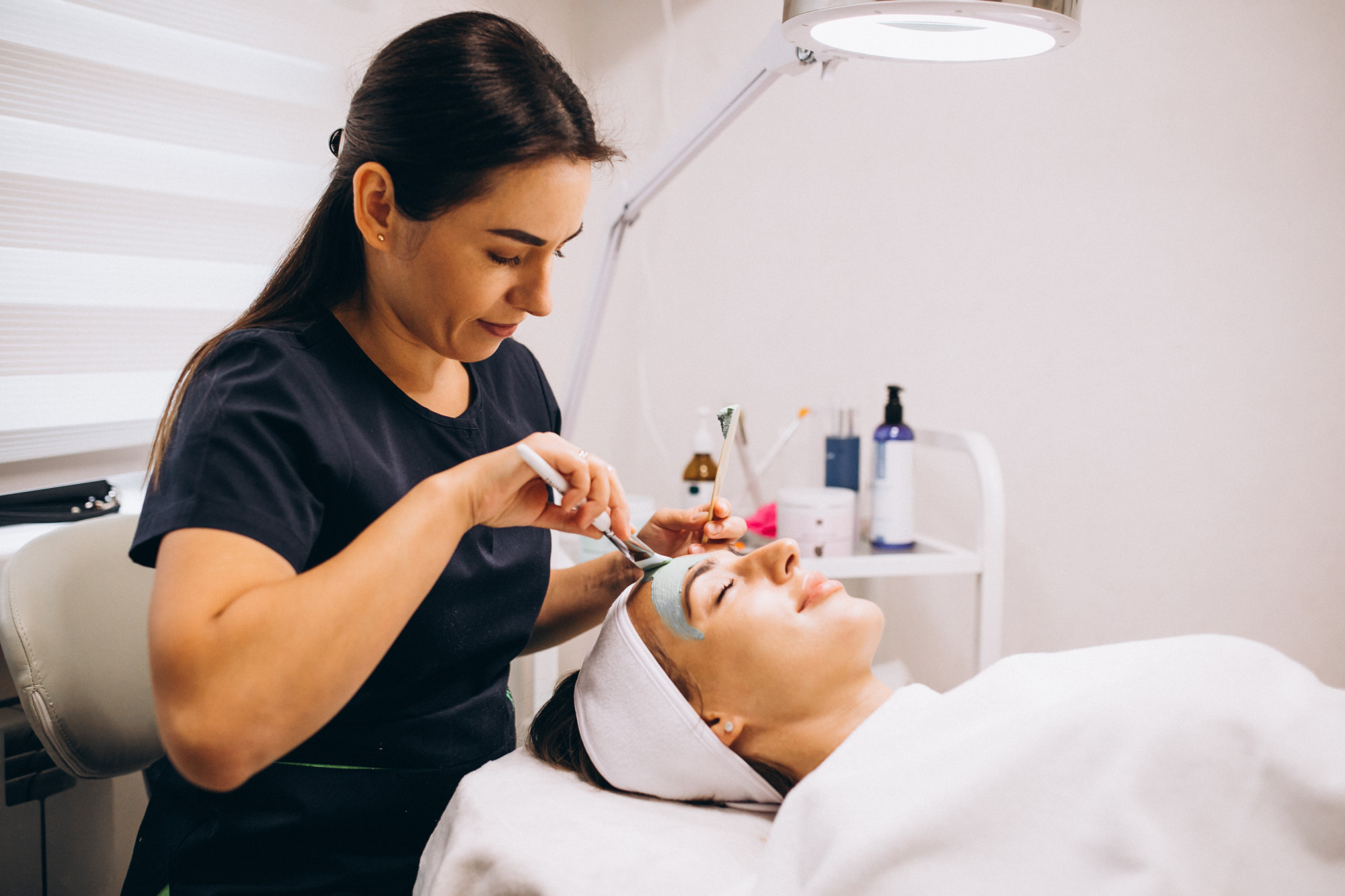
Gentle, carefully formulated peels improve pigmentation and skin texture around the delicate eye area, brightening the under-eye zone by accelerating the turnover of melanin-laden surface cells. Lactic acid and mandelic acid peels are particularly well-suited for the periorbital region due to their gentler action on thin skin. A series of treatments gradually reduces brown discoloration and improves overall skin radiance around the eyes.
Learn MoreFrequently Asked Questions
Common Questions About Dark Circles
What causes dark circles under the eyes?
Dark circles can result from multiple overlapping factors including genetics, aging-related volume loss beneath the skin, increased visibility of blood vessels through thin skin, true melanin hyperpigmentation, allergies, and lifestyle factors like insufficient sleep. Often, two or more of these causes contribute simultaneously, which is why a thorough professional assessment is important for determining the most effective treatment approach.
Is under-eye filler safe?
When performed by an experienced, trained injector with thorough anatomical knowledge, under-eye filler is a safe and highly effective treatment. The tear trough area requires specific expertise due to the thin skin and proximity to important vascular structures. Our providers use advanced injection techniques, appropriate product selection, and conservative volumes to ensure natural, beautiful results with minimal risk of complications.
How long do under-eye fillers last?
Under-eye fillers typically last twelve to eighteen months, and often longer, since the tear trough area experiences less movement and metabolic activity than other parts of the face. Some patients maintain results for up to two years before needing a touch-up. The longevity makes tear trough filler one of the most cost-effective and satisfying treatments we offer.
Will under-eye filler look natural?
When performed with the right technique and appropriate product, tear trough filler produces beautifully natural results. The goal is not to eliminate all shadows but to restore the youthful volume cushion that smooths the transition from the lower eyelid to the cheek. Our conservative approach ensures that you look refreshed and rested, never overfilled or unnatural.
Can dark circles caused by allergies be treated?
Allergy-related dark circles, often called allergic shiners, are primarily caused by vascular congestion beneath the thin under-eye skin. While managing your allergies is the first step, treatments like gentle chemical peels and brightening skincare can improve the skin quality and reduce residual discoloration. If volume loss is also contributing, tear trough filler can address the structural component for a comprehensive improvement.
What can I do at home to help with dark circles?
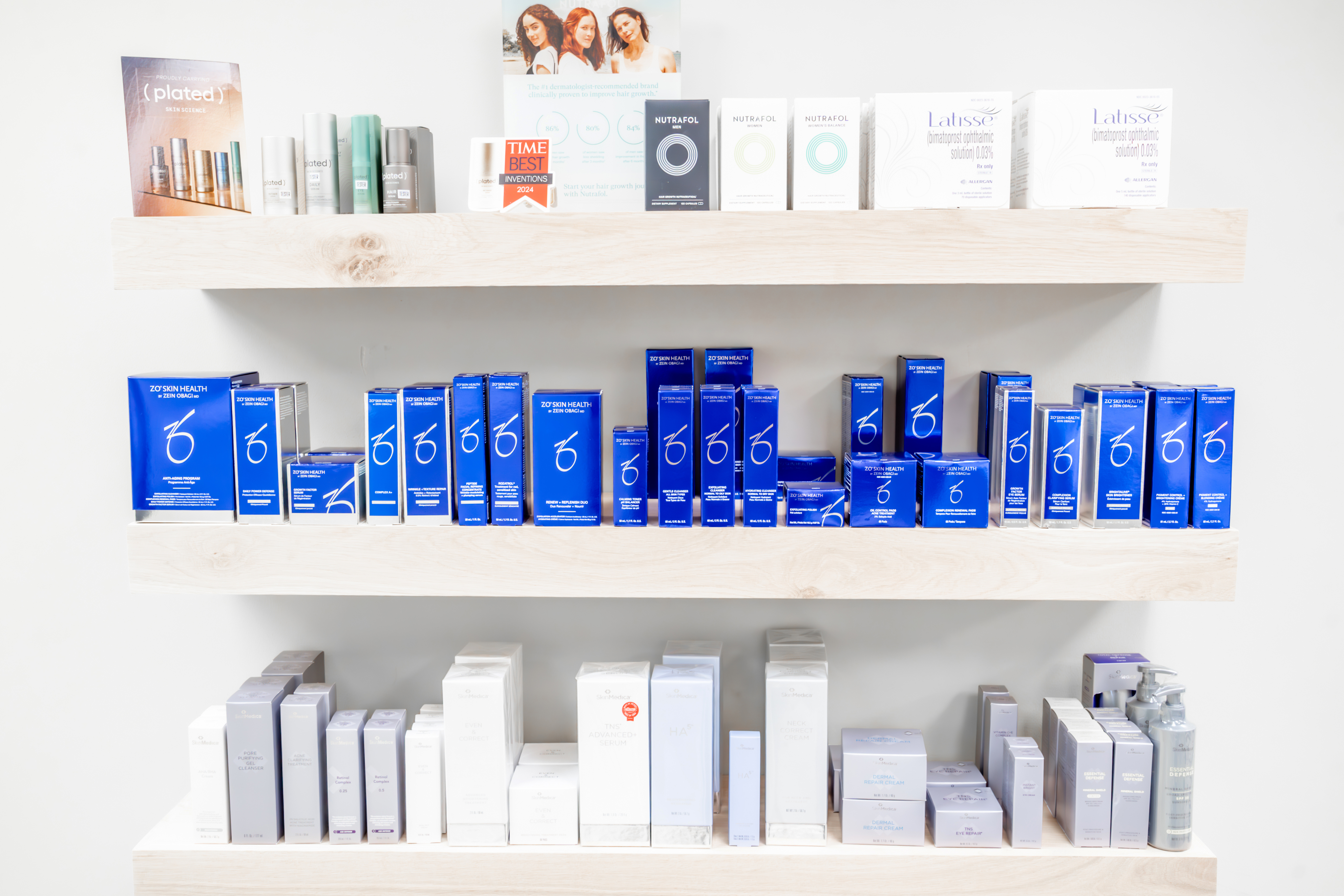
A consistent home routine can complement professional treatments. We recommend a medical-grade eye cream containing peptides and caffeine to strengthen the thin under-eye skin and reduce puffiness, daily broad-spectrum SPF to prevent pigmentary worsening, adequate sleep, and staying well-hydrated. Addressing any underlying allergies with appropriate antihistamines also helps. Our team will recommend specific products tailored to your under-eye concerns during your consultation.
How It Works
A clear 3 step process to lasting confidence. Let's begin
Consultation & Evaluation
Schedule your complimentary consultation to discover the best treatment plan for you. Our expert team is here to guide you every step of the way.
Customized Program
Meet our team and expect a friendly, detailed process that will meet your aesthetic goals and set you up for the ultimate patient experience.
Follow Up & Support
Walk away feeling beautiful, refreshed, and completely ready to take on the world. Embrace the confidence that comes with it and shine bright!


Start Your Personalized Treatment Plan
Your aesthetic goals deserve thoughtful care. Book a consultation to discover the treatments best suited for your skin, your lifestyle, and your vision.