About This Concern
Understanding Hyperpigmentation
Hyperpigmentation occurs when melanocytes, the pigment-producing cells in the skin, generate excess melanin in response to triggers such as UV exposure, hormonal fluctuations, inflammation, or injury. The result is dark patches, spots, or an overall uneven skin tone that can affect any skin type or complexion. Common forms include sun spots (solar lentigines), melasma (often called the "mask of pregnancy"), and post-inflammatory hyperpigmentation (PIH) that follows acne, burns, or other skin trauma. Effective treatment requires accurately identifying the type and depth of pigmentation to select the right therapeutic approach, as superficial and deep pigment respond differently to various modalities.
Melanin production is a complex biological process regulated by the enzyme tyrosinase within melanocytes. When the skin is exposed to UV radiation, inflammation, or hormonal signals such as estrogen and progesterone, tyrosinase activity increases and melanin is overproduced, then transferred to surrounding keratinocytes where it accumulates as visible pigmentation. Melasma is particularly challenging because it involves both epidermal and dermal melanin deposits, and hormonal sensitivity means it can recur with sun exposure, pregnancy, or certain medications. Oklahoma's strong UV index throughout much of the year makes pigmentation management an ongoing priority for many Tulsa residents. Dr. James R. Campbell, D.O., and our clinical team use Wood's lamp examination and comprehensive skin analysis to determine the depth and type of your pigmentation, allowing us to select targeted treatments that address the problem at its source without triggering a rebound darkening response.
Understanding the Cause
What Causes Hyperpigmentation?
Excess melanin production can be triggered by a variety of internal and external factors. Identifying your specific triggers is critical because different types of hyperpigmentation require different treatment strategies and maintenance protocols.
UV sun exposure is the most common trigger, stimulating melanocytes to produce excess melanin as a protective response, which accumulates as dark spots and patches over time.
Hormonal changes during pregnancy, oral contraceptive use, or hormone replacement therapy increase melanocyte sensitivity and are the primary drivers of melasma.
Post-inflammatory response following acne, eczema, psoriasis, or any skin injury causes localized melanin overproduction during the healing process, leaving dark marks that can persist for months.
Genetic predisposition influences your baseline melanin production, skin type, and susceptibility to pigmentation disorders, with darker skin tones being more prone to PIH.
Aging causes melanocyte distribution to become less even over time, leading to concentrated clusters of pigment that appear as age spots and liver spots.
Heat exposure, including infrared radiation and even the blue light emitted by screens, has been shown in recent studies to trigger melanin production, particularly in melasma-prone skin.
Certain medications and medical conditions can alter pigmentation, including thyroid disorders, Addison's disease, and drugs that increase photosensitivity.
Our Approach
Our Approach to Treating Hyperpigmentation
Recommended Treatments
Treatments for Hyperpigmentation
Our expert providers recommend the following treatments for hyperpigmentation. Each plan is customized to your unique skin and goals.
CO2 Laser Resurfacing
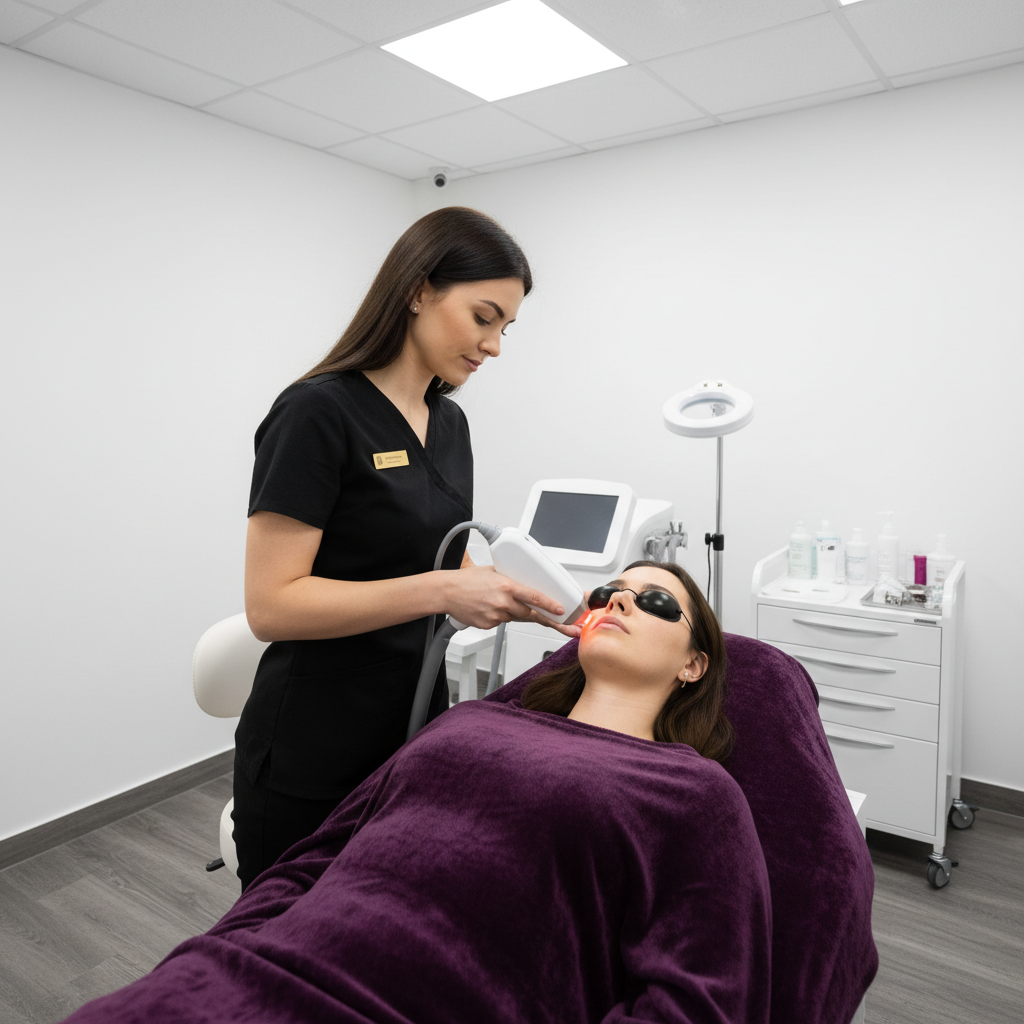
Targeted fractional laser energy penetrates below the skin surface to break apart clusters of pigmented cells, allowing the body to naturally clear them through the lymphatic system. CO2 laser resurfacing also stimulates collagen remodeling, which improves overall skin tone and texture while addressing pigmentation. Results develop progressively over several weeks as the skin heals and regenerates with more even melanin distribution.
Learn More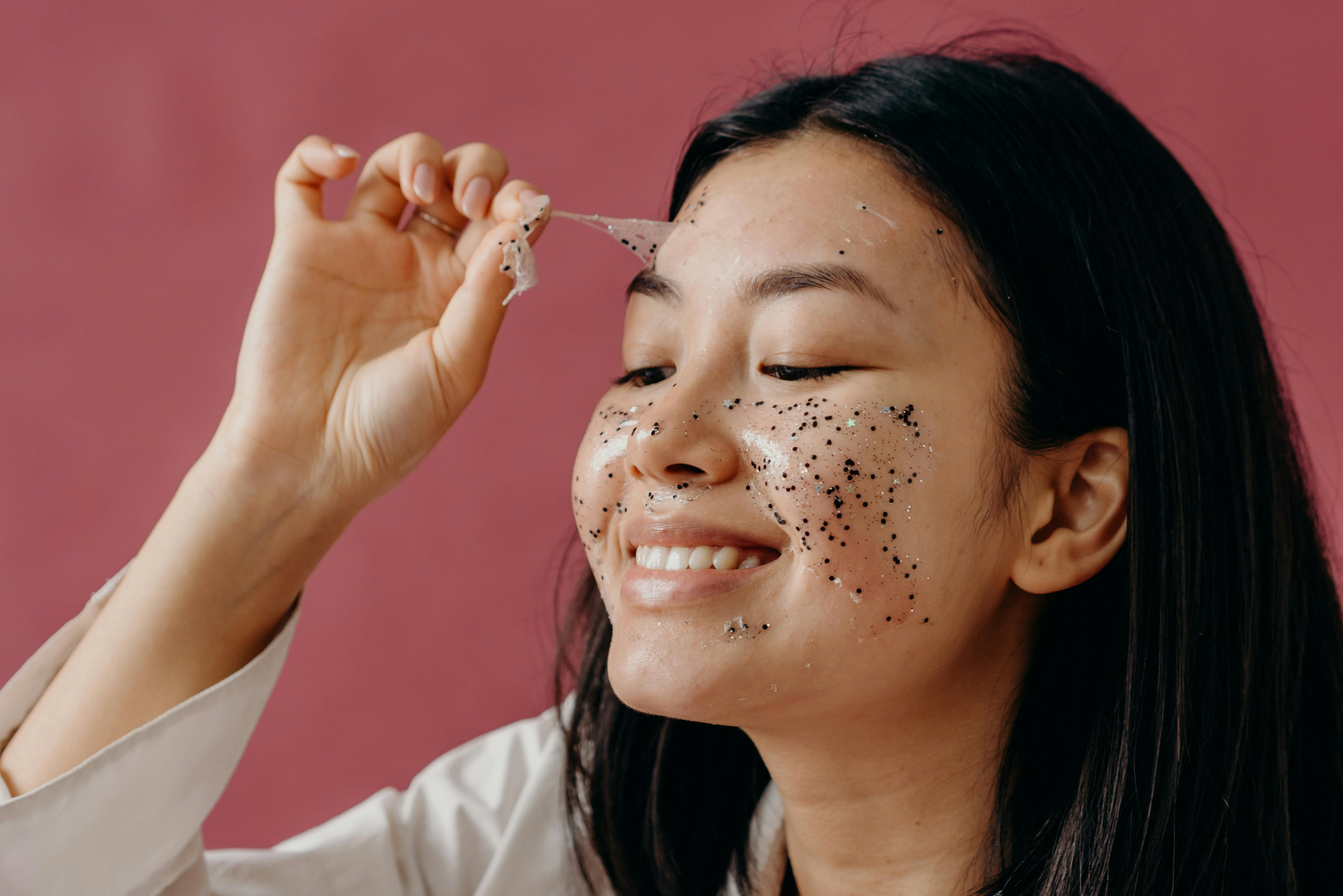
Chemical Peels
Controlled chemical exfoliation using glycolic acid, lactic acid, or specialized pigment-targeting formulations removes pigmented surface cells and stimulates rapid cell turnover. This gradual resurfacing process reveals brighter, more uniform skin with each successive treatment. A series of peels spaced two to four weeks apart is typically recommended for optimal pigmentation correction, with maintenance peels to prevent recurrence.
Learn More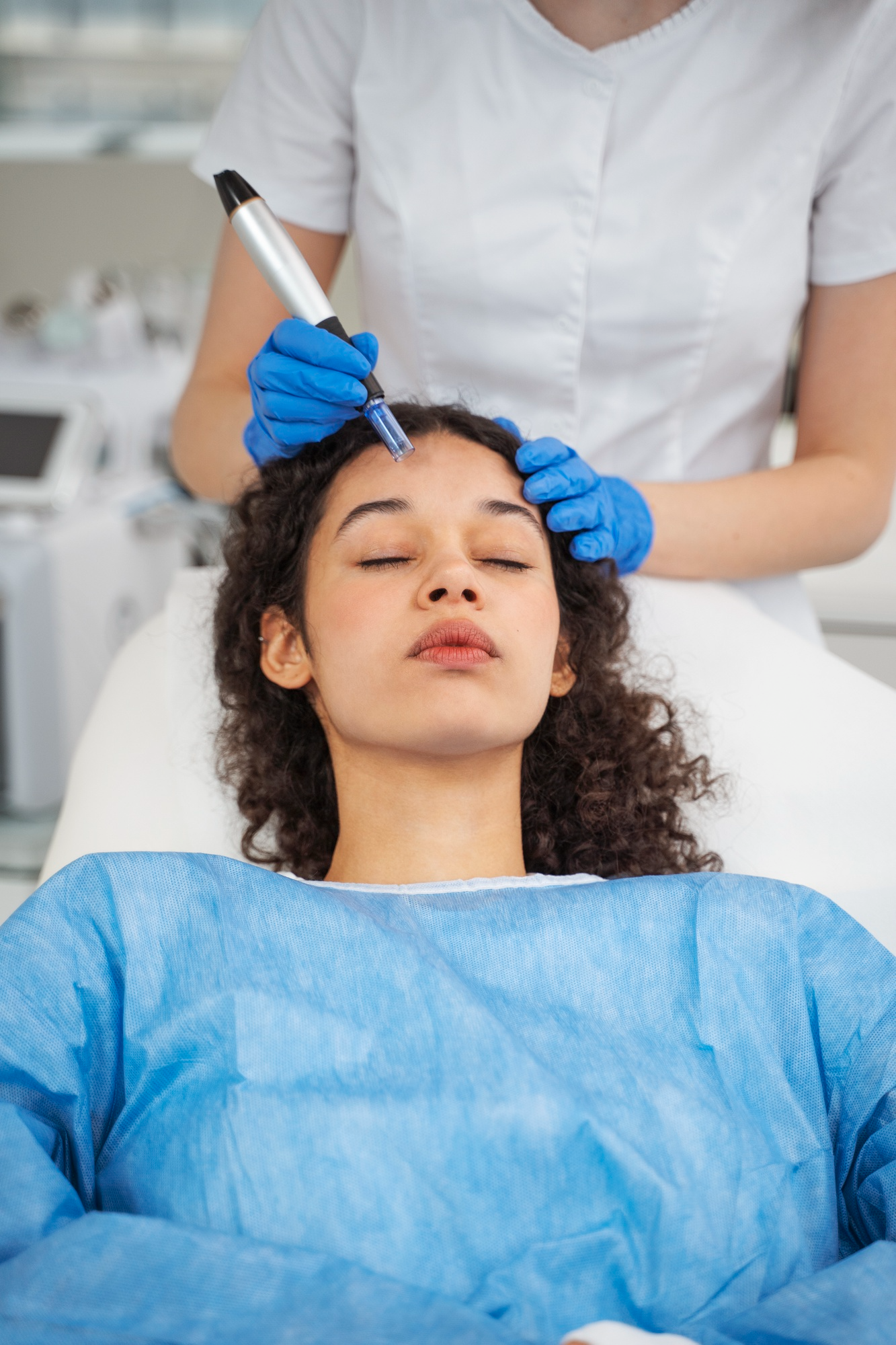
Microneedling
Promotes accelerated skin renewal by creating micro-channels that stimulate collagen production and dramatically enhance the absorption of brightening serums containing ingredients like vitamin C, tranexamic acid, and niacinamide. This combination approach attacks pigmentation from both a structural and chemical perspective, fading dark spots while improving overall skin tone and texture. A series of treatments produces cumulative improvement that continues between sessions.
Learn MoreFrequently Asked Questions
Common Questions About Hyperpigmentation
What causes dark spots on the face?
Dark spots can result from cumulative sun exposure, hormonal changes, acne scarring, or skin injuries that trigger excess melanin production. UV exposure is the most common cause, which is why daily broad-spectrum SPF is critical both during and after treatment. In many cases, multiple factors contribute simultaneously, requiring a multi-pronged treatment approach for the best results.
Can melasma be completely cured?
Melasma can be significantly improved with the right combination of professional treatments and at-home skincare, but it is considered a chronic condition that may recur with sun exposure, hormonal fluctuations, or heat exposure. Consistent treatment, periodic maintenance sessions, and daily SPF application help manage melasma long-term. Our team designs ongoing maintenance plans that keep melasma under control while minimizing the risk of rebound darkening.
How long does it take to see results from pigmentation treatments?
Improvements often begin within two to four weeks, with optimal results visible after a series of treatments over two to three months. The timeline depends on the type and depth of pigmentation, with superficial sun spots responding more quickly than deep dermal melasma. Your provider will set realistic expectations during your consultation and track your progress with comparative photos at each visit.
Are pigmentation treatments safe for darker skin tones?
Yes, but treatment selection must be tailored carefully to avoid triggering post-inflammatory hyperpigmentation, which darker skin tones are more susceptible to. Our providers have experience treating all skin types and select modalities, intensities, and products appropriate for your specific complexion. Conservative approaches with gradual progression tend to produce the safest and most effective results in melanin-rich skin.
Why is sunscreen so important during pigmentation treatment?
UV exposure is the primary trigger for melanin overproduction, and even brief unprotected sun exposure can reverse weeks of treatment progress. During active pigmentation treatment, the skin is also more sensitive to UV radiation, increasing the risk of darkening. We recommend a broad-spectrum SPF 30 or higher applied every morning and reapplied every two hours during outdoor activity, along with protective clothing and hats when possible.
What is the difference between sun spots and melasma?
Sun spots (solar lentigines) are discrete, well-defined brown spots caused primarily by cumulative UV damage and tend to respond well to laser treatments and chemical peels. Melasma presents as larger, diffuse patches with less defined borders, is strongly influenced by hormones, and requires a more conservative, multi-modal treatment approach to avoid triggering worsening. Accurate diagnosis is essential because treating melasma with overly aggressive modalities can cause rebound hyperpigmentation.
Can I prevent new dark spots from forming?
While you cannot completely prevent all pigmentation, consistent sun protection is the single most effective preventive measure. Daily broad-spectrum SPF, antioxidant serums like vitamin C, and medical-grade brightening products containing niacinamide or tranexamic acid help suppress melanin overproduction. Our team will recommend a personalized at-home regimen during your consultation that works to prevent new spots while treating existing ones.
How It Works
A clear 3 step process to lasting confidence. Let's begin
Consultation & Evaluation
Schedule your complimentary consultation to discover the best treatment plan for you. Our expert team is here to guide you every step of the way.
Customized Program
Meet our team and expect a friendly, detailed process that will meet your aesthetic goals and set you up for the ultimate patient experience.
Follow Up & Support
Walk away feeling beautiful, refreshed, and completely ready to take on the world. Embrace the confidence that comes with it and shine bright!


Start Your Personalized Treatment Plan
Your aesthetic goals deserve thoughtful care. Book a consultation to discover the treatments best suited for your skin, your lifestyle, and your vision.