About This Concern
Understanding Unwanted Hair
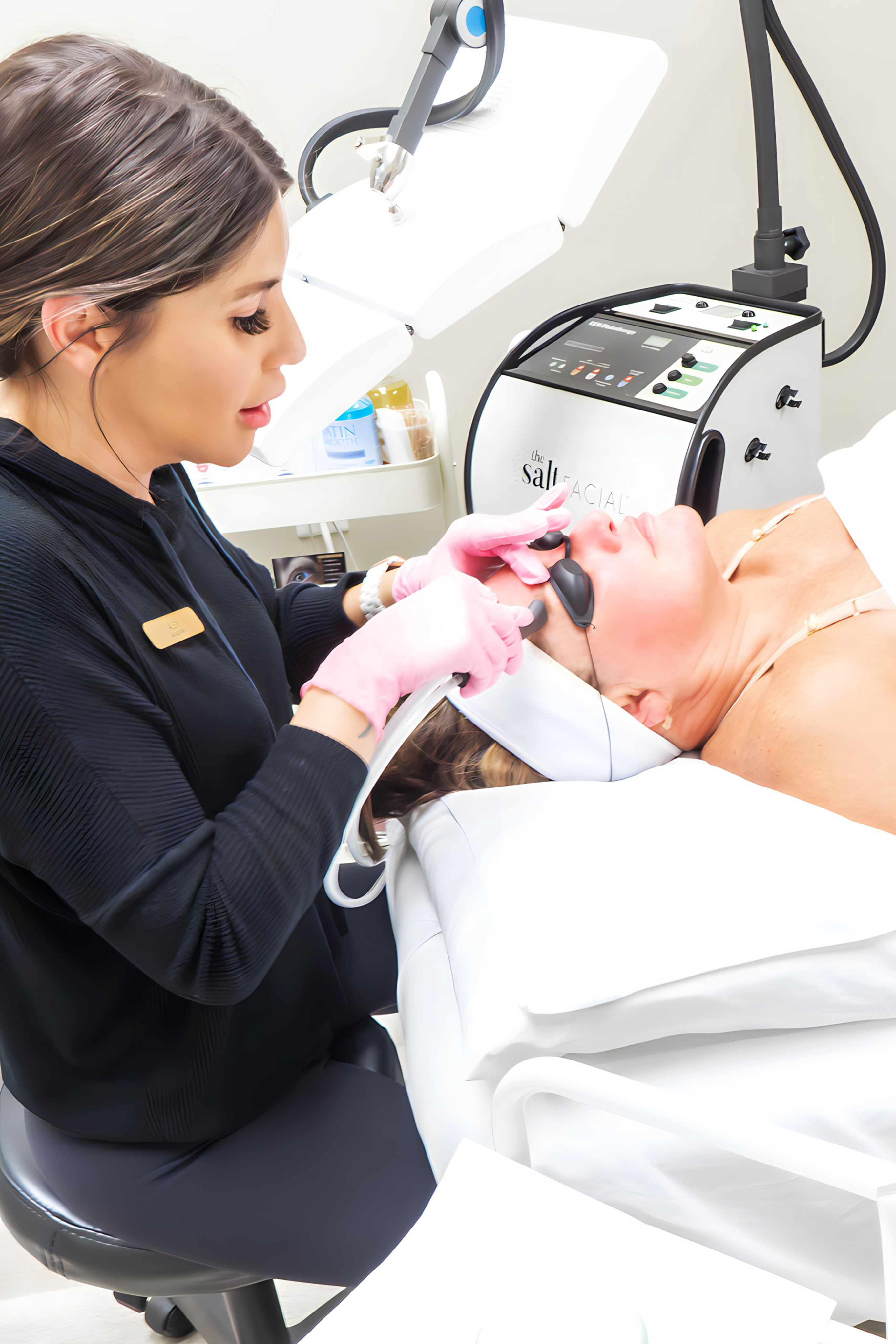
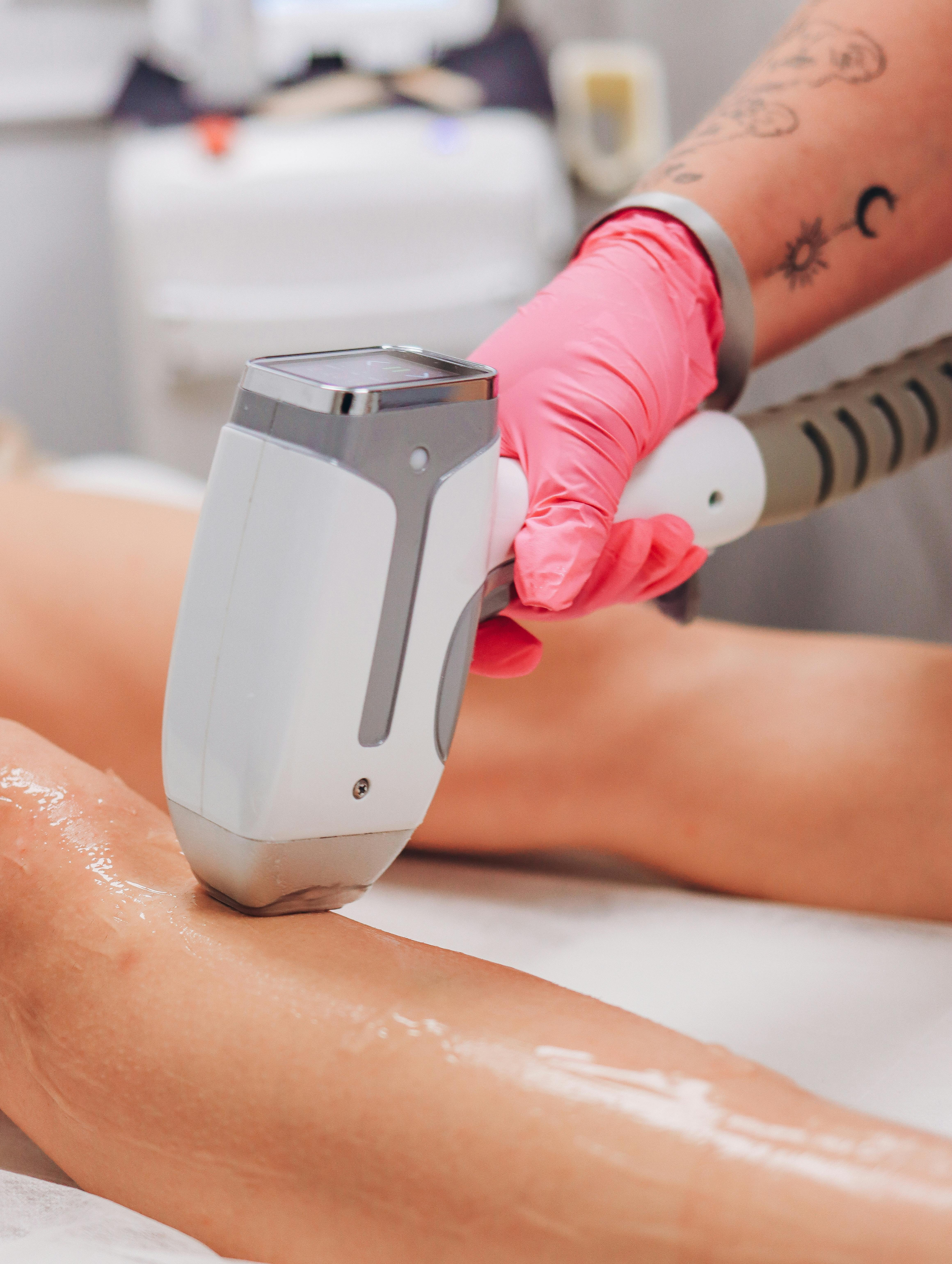
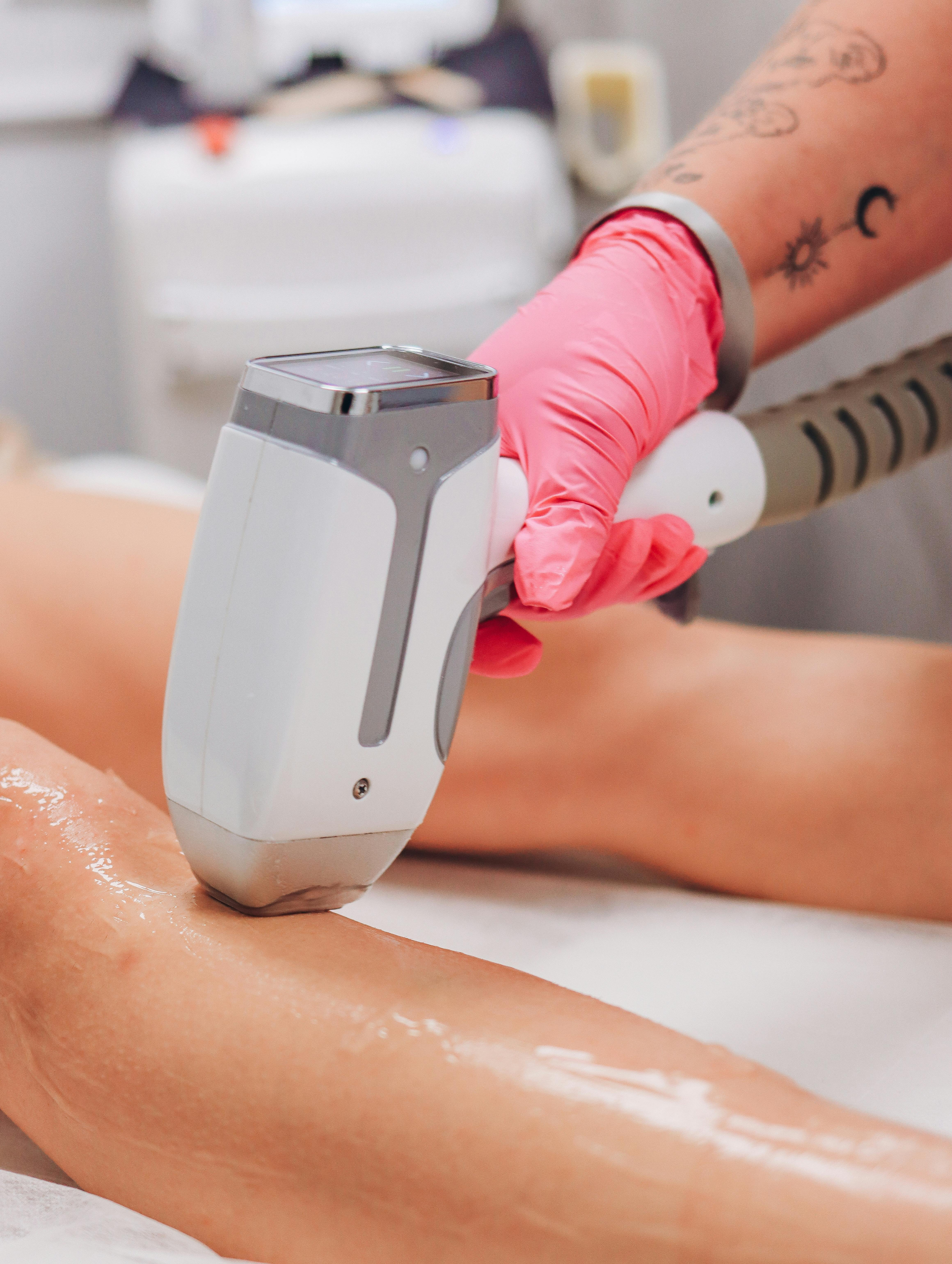
Excess or unwanted hair growth can be caused by genetics, hormonal imbalances, certain medications, or simply natural variation in hair density and distribution. Traditional hair removal methods like shaving, waxing, threading, and depilatory creams provide only temporary results that must be repeated frequently, often causing irritation, razor bumps, ingrown hairs, and in some cases post-inflammatory hyperpigmentation. Laser hair removal offers a long-term solution by targeting the hair follicle directly with concentrated light energy, disabling its ability to produce new hair growth. Our advanced laser technology at BA Med Spa is effective for a wide range of skin types and hair colors, making smooth, lasting results accessible to more patients than ever before.
Hair growth follows a cyclical pattern consisting of three distinct phases: anagen (active growth), catagen (transitional), and telogen (resting). Laser hair removal is most effective during the anagen phase, when the hair shaft contains the most melanin and is still connected to the follicle's blood supply. Because only approximately 20-30% of hairs are in the anagen phase at any given time, multiple treatment sessions spaced several weeks apart are necessary to target all follicles during their active growth window. The laser works through a principle called selective photothermolysis, where light energy is preferentially absorbed by the melanin pigment in the hair shaft and converted to heat, which then damages the follicle's reproductive structures, the dermal papilla and bulge region, without harming the surrounding skin. Under the supervision of Dr. James R. Campbell, D.O., our technicians customize laser settings including wavelength, pulse duration, and energy level based on your individual skin type, hair color, and treatment area for the safest, most effective results.
Understanding the Cause
What Causes Unwanted Hair Growth?
Understanding the underlying cause of your unwanted hair growth helps us set appropriate expectations and, in some cases, recommend complementary treatments that address the root trigger alongside laser hair removal.
Genetics are the primary determinant of hair density, color, texture, and distribution, with family background strongly predicting which areas will have thicker or more abundant hair growth.
Hormonal factors, particularly elevated androgens, drive increased hair growth in both men and women; conditions like polycystic ovary syndrome (PCOS) can cause significant hirsutism in women.
Hormonal changes during puberty, pregnancy, and menopause alter hair growth patterns as shifting hormone levels activate or deactivate follicles in different body areas.
Certain medications including corticosteroids, anabolic steroids, cyclosporine, and some hormonal contraceptives can stimulate unwanted hair growth as a side effect.
Ethnic and racial background influences baseline hair characteristics, with some populations naturally having denser, coarser, or more visible body hair.
Aging can paradoxically cause hair to thin in some areas while becoming coarser or appearing in new locations, particularly as hormonal profiles shift with age.
Our Approach
Our Approach to Laser Hair Removal
Recommended Treatments
Treatments for Unwanted Hair
Our expert providers recommend the following treatments for unwanted hair. Each plan is customized to your unique skin and goals.
Frequently Asked Questions
Common Questions About Unwanted Hair
How many laser hair removal sessions do I need?
Most patients need six to eight sessions spaced four to eight weeks apart for optimal results, depending on the treatment area. Hair grows in cycles, and the laser is most effective during the active anagen growth phase, which only 20-30% of hairs are in at any given time. Multiple sessions ensure that all follicles are treated during their vulnerable growth window for maximum permanent reduction.
Is laser hair removal permanent?
Laser hair removal provides long-lasting hair reduction that most patients consider permanent for practical purposes. After completing the recommended treatment series, most patients experience 80-90% reduction in hair growth. Some fine, light hairs may persist or gradually return over years due to hormonal changes, but these are easily managed with occasional annual maintenance sessions.
Does laser hair removal work on all skin types?
Modern laser technology with adjustable wavelengths and parameters is safe and effective for a wide range of skin types and tones, from fair to dark complexions. During your consultation, we will assess your specific skin type and hair characteristics using the Fitzpatrick classification scale and recommend the optimal laser settings. The treatment is most effective on dark hair due to the melanin-targeting mechanism, and very light blonde, red, or gray hair may respond less predictably.
Is laser hair removal painful?
Most patients describe the sensation as a quick snap or warm pinch, similar to a rubber band flicking against the skin. Our laser includes an integrated cooling system that cools the skin before, during, and after each pulse, significantly reducing discomfort. Sensitivity varies by body area, with thinner-skinned areas like the bikini line being more sensitive than larger areas like the legs or back. Most patients tolerate the treatment very comfortably without any numbing.
How should I prepare for laser hair removal?
We ask patients to shave the treatment area one to two days before their appointment, as the laser needs to target the hair beneath the skin surface rather than above it. Avoid waxing, plucking, or threading for at least four weeks before treatment, as these methods remove the hair root that the laser needs to target. Sun exposure and tanning should be minimized for two weeks before and after each session to reduce the risk of skin sensitivity.
Can laser hair removal help with ingrown hairs?
Yes, laser hair removal is actually one of the most effective treatments for chronic ingrown hairs. By permanently disabling the follicle, the hair no longer grows and cannot become trapped beneath the skin surface. Many patients who suffered from persistent razor bumps and ingrown hairs on the bikini area, neck, or face find that laser hair removal eliminates the problem entirely, in addition to removing the unwanted hair itself.
How It Works
A clear 3 step process to lasting confidence. Let's begin

Consultation & Evaluation
Schedule your complimentary consultation to discover the best treatment plan for you. Our expert team is here to guide you every step of the way.
Customized Program
Meet our team and expect a friendly, detailed process that will meet your aesthetic goals and set you up for the ultimate patient experience.
Follow Up & Support
Walk away feeling beautiful, refreshed, and completely ready to take on the world. Embrace the confidence that comes with it and shine bright!



Start Your Personalized Treatment Plan
Your aesthetic goals deserve thoughtful care. Book a consultation to discover the treatments best suited for your skin, your lifestyle, and your vision.