
About This Concern
Understanding Low Testosterone
Testosterone is the primary male sex hormone, essential for maintaining muscle mass, bone density, red blood cell production, fat distribution, mood regulation, cognitive function, and sexual health. Testosterone levels naturally decline with age, typically beginning a gradual decrease of approximately one percent per year starting in the early thirties. By age forty-five, a significant percentage of men have testosterone levels below the optimal range, and by age sixty, an estimated 20% of men meet the clinical criteria for hypogonadism (clinically low testosterone). The symptoms of low testosterone develop gradually, which means many men attribute their declining energy, motivation, and physical capability to "just getting older" rather than recognizing a treatable medical condition.
Testosterone exerts its effects throughout the body by binding to androgen receptors in muscle, bone, brain, heart, and other tissues. When levels decline below the optimal range, these tissues lose the hormonal stimulus they need to function properly. Muscle protein synthesis decreases, leading to loss of lean mass and strength. Bone mineral density declines, increasing fracture risk. Erythropoietin signaling weakens, potentially reducing red blood cell counts. In the brain, low testosterone is associated with decreased serotonin activity, contributing to irritability, low mood, and reduced motivation. Fat metabolism shifts, promoting visceral fat accumulation that further suppresses testosterone through the aromatase enzyme, creating a self-perpetuating cycle. At BA Med Spa, Dr. James R. Campbell, D.O., evaluates not just total testosterone but also free testosterone, SHBG, estradiol, LH, FSH, prolactin, and metabolic markers to develop a complete picture of each patient's hormonal status and identify the optimal treatment approach.
Understanding the Cause
What Causes Low Testosterone?
Low testosterone can result from primary testicular dysfunction, secondary hypothalamic-pituitary signaling issues, or a combination of factors. Identifying the underlying cause helps guide the most appropriate and effective treatment strategy.
Age-related decline (late-onset hypogonadism) is the most common cause, with testosterone production decreasing approximately 1-2% per year after age thirty, leading to progressive symptom development over decades.
Obesity and excess body fat contain high levels of aromatase enzyme, which converts testosterone to estrogen, creating a self-perpetuating cycle where increased fat leads to lower testosterone, which promotes further fat accumulation.
Chronic stress and elevated cortisol directly suppress the hypothalamic-pituitary-gonadal axis, reducing the brain's signal to the testes to produce testosterone.
Sleep disorders, particularly obstructive sleep apnea and chronic sleep deprivation, significantly suppress testosterone production, as the majority of testosterone is produced during deep sleep.
Type 2 diabetes and insulin resistance are strongly associated with low testosterone; approximately 50% of men with type 2 diabetes have below-normal testosterone levels.
Certain medications including opioid pain medications, corticosteroids, and some antidepressants can suppress testosterone production as a side effect.
Testicular injury, infection, or prior chemotherapy or radiation treatment can directly impair the testes' ability to produce adequate testosterone.
Our Approach
Our Approach to Testosterone Optimization
Recommended Treatments
Treatments for Low Testosterone
Our expert providers recommend the following treatments for low testosterone. Each plan is customized to your unique skin and goals.
Testosterone Replacement Therapy
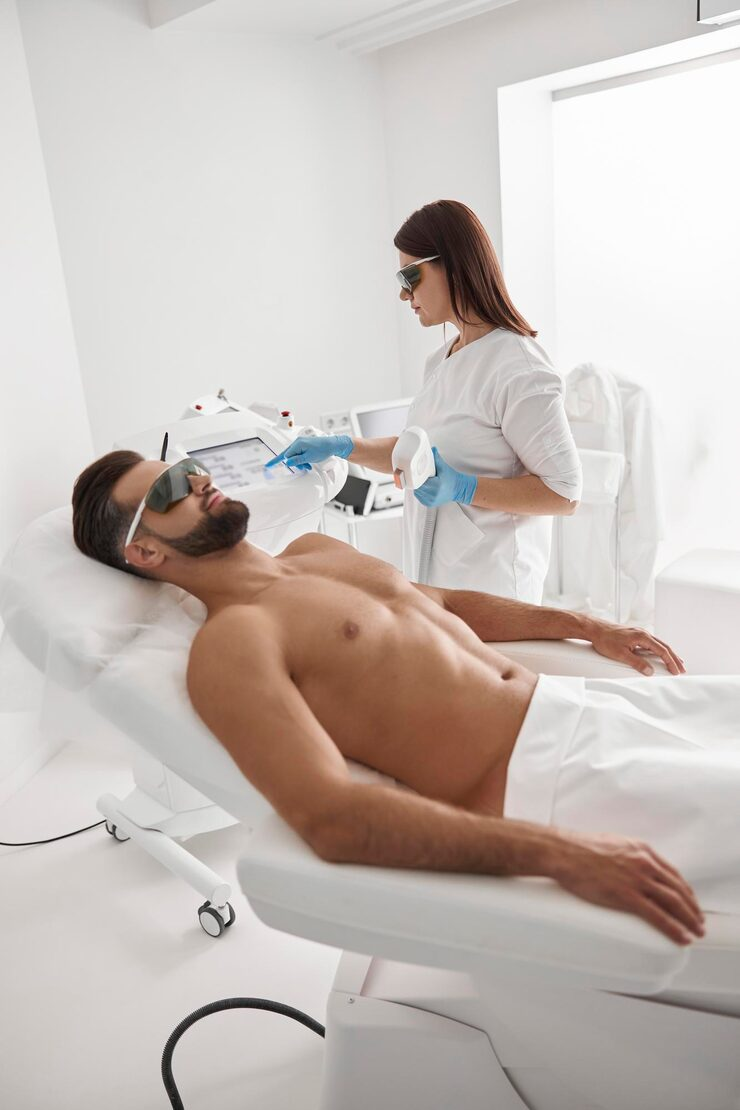
Physician-supervised TRT restores optimal testosterone levels through personalized dosing protocols and your choice of delivery method, including intramuscular injections, topical formulations, or other options selected based on your lifestyle and metabolic needs. Regular lab monitoring at scheduled intervals ensures your levels remain optimized while safety markers including hematocrit, PSA, and estradiol are tracked closely. Most patients report significant improvements in energy, mood, body composition, and sexual function within the first four to eight weeks of treatment.
Learn More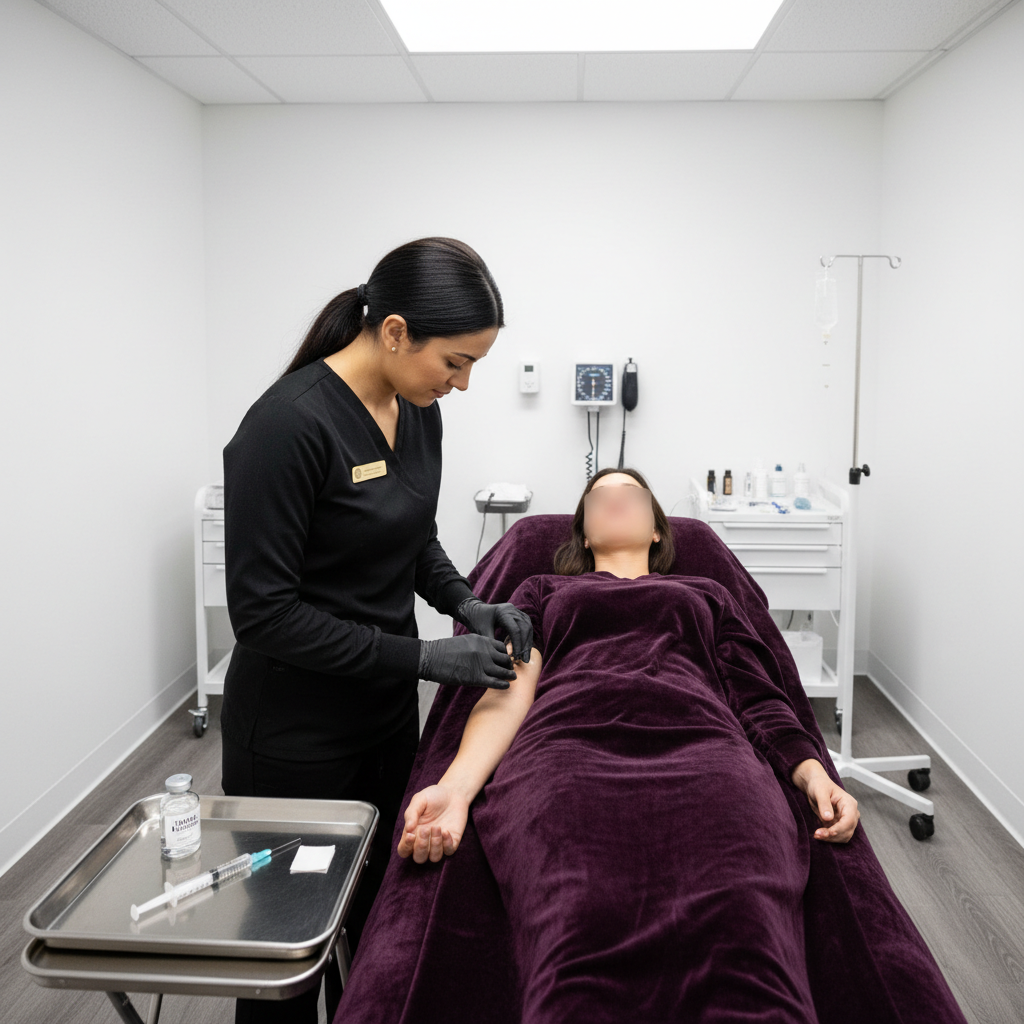
Vitamin B12 Injections
Energy-boosting methylcobalamin (B12) injections complement testosterone therapy by supporting cellular energy production, red blood cell formation, and neurological function. Many men with low testosterone also have suboptimal B12 levels, and supplementation can enhance the energy and vitality improvements experienced from TRT. Quick, convenient injections can be administered during regular TRT monitoring appointments.
Learn More
Weight Loss Programs
Addresses the weight gain and visceral fat accumulation commonly associated with low testosterone through medically supervised programs that may combine nutritional guidance, exercise recommendations, and pharmaceutical support. Because excess body fat suppresses testosterone through aromatase conversion, losing weight can enhance the effectiveness of TRT and create a positive feedback loop of improving hormonal health and body composition. Our integrated approach tackles both the hormonal and metabolic components simultaneously.
Learn MoreFrequently Asked Questions
Common Questions About Low Testosterone
At what age does testosterone start declining?
Testosterone levels typically begin declining around age thirty, decreasing approximately one to two percent per year. By age forty-five to fifty, many men experience symptoms of low testosterone that noticeably affect their quality of life. However, the rate of decline varies significantly between individuals based on genetics, body composition, stress levels, and overall health. Some men maintain robust testosterone levels well into their sixties, while others develop clinically low levels in their late thirties or early forties.
How is low testosterone diagnosed?
Diagnosis requires both symptoms consistent with low testosterone and confirmatory blood work showing below-optimal levels. At BA Med Spa, we measure total testosterone, free testosterone, sex hormone-binding globulin (SHBG), estradiol, luteinizing hormone (LH), follicle-stimulating hormone (FSH), PSA, complete blood count, and metabolic markers. This comprehensive panel provides a complete picture of your hormonal status and helps identify the underlying cause, allowing Dr. Campbell to design the most effective treatment approach.
How quickly will I feel better on TRT?
Many men notice improvements in energy, mood, and motivation within two to four weeks of beginning therapy. Improvements in libido and sexual function typically develop over four to six weeks. Benefits like increased muscle mass, reduced body fat, and improved exercise capacity develop more gradually over three to six months. Lab values are rechecked at six and twelve weeks to ensure your levels are optimizing and to make any necessary dosage adjustments.
Are there risks or side effects of testosterone therapy?
When properly supervised with regular monitoring, TRT has a well-established safety profile. Potential side effects include increased hematocrit (thickened blood), mild acne, fluid retention, and changes in sleep patterns, all of which are managed through dosage adjustments and monitoring. Dr. Campbell tracks your hematocrit, PSA, estradiol, and liver function at every lab draw to identify and address any concerns early. The benefits of treating clinically low testosterone typically far outweigh the manageable risks.
Will TRT affect my fertility?
Exogenous testosterone can suppress the body's natural testosterone production and sperm production through negative feedback on the hypothalamic-pituitary-gonadal axis. If fertility preservation is a concern, Dr. Campbell will discuss alternative approaches such as clomiphene citrate or hCG that can raise testosterone levels while maintaining or supporting sperm production. It is important to discuss your fertility plans before beginning TRT so we can design the most appropriate protocol.
Is TRT a lifelong commitment?
TRT is typically an ongoing therapy because the underlying age-related decline in testosterone production is progressive and does not reverse. However, the decision to continue is always yours, and we periodically reassess your goals and health status. Some patients use TRT during a defined period to address acute symptoms and then taper off, while most find the quality-of-life improvements significant enough to continue long-term. Dr. Campbell discusses all options during your consultation.
How is your TRT program different from online testosterone clinics?
Our TRT program is overseen directly by Dr. James R. Campbell, D.O., who sees patients in person, performs thorough evaluations, and orders comprehensive lab panels that go well beyond the basic testing offered by many online clinics. We monitor safety markers closely, adjust dosing based on detailed lab work, and provide the kind of personalized, face-to-face medical care that remote clinics cannot replicate. Our Tulsa patients value the relationship they build with our clinical team and the confidence that comes from genuine physician oversight.
How It Works
A clear 3 step process to lasting confidence. Let's begin
Consultation & Evaluation
Schedule your complimentary consultation to discover the best treatment plan for you. Our expert team is here to guide you every step of the way.
Customized Program
Meet our team and expect a friendly, detailed process that will meet your aesthetic goals and set you up for the ultimate patient experience.
Follow Up & Support
Walk away feeling beautiful, refreshed, and completely ready to take on the world. Embrace the confidence that comes with it and shine bright!



Start Your Personalized Treatment Plan
Your aesthetic goals deserve thoughtful care. Book a consultation to discover the treatments best suited for your skin, your lifestyle, and your vision.